Human Rights Through Design Pedagogy
Credits
Project and workshop constructed by: Ricardo Eversley
Images: BA Graphic Design, final year students
This project highlights the importance of graphic design as a subject that can amplify the understanding of social and human rights related issues. The project is anchored by Universal Declaration of Human Rights (United Nations, 1948), and challenges students to think about deeper concepts that go beyond mere aesthetics but instead look at how design can function as catalyst for empathy, advocacy and important communication.
The workshop begins by using methods such as observation, discussion and enquiry to foreground understanding within the cohort. at its core are themes such as dignity, identity, equality and freedom. These are used as keywords to build a range of research based visual narratives followed by continual iterative design sessions and tutorials. This approach ensures students see design as a process of understanding people before creating outcomes.
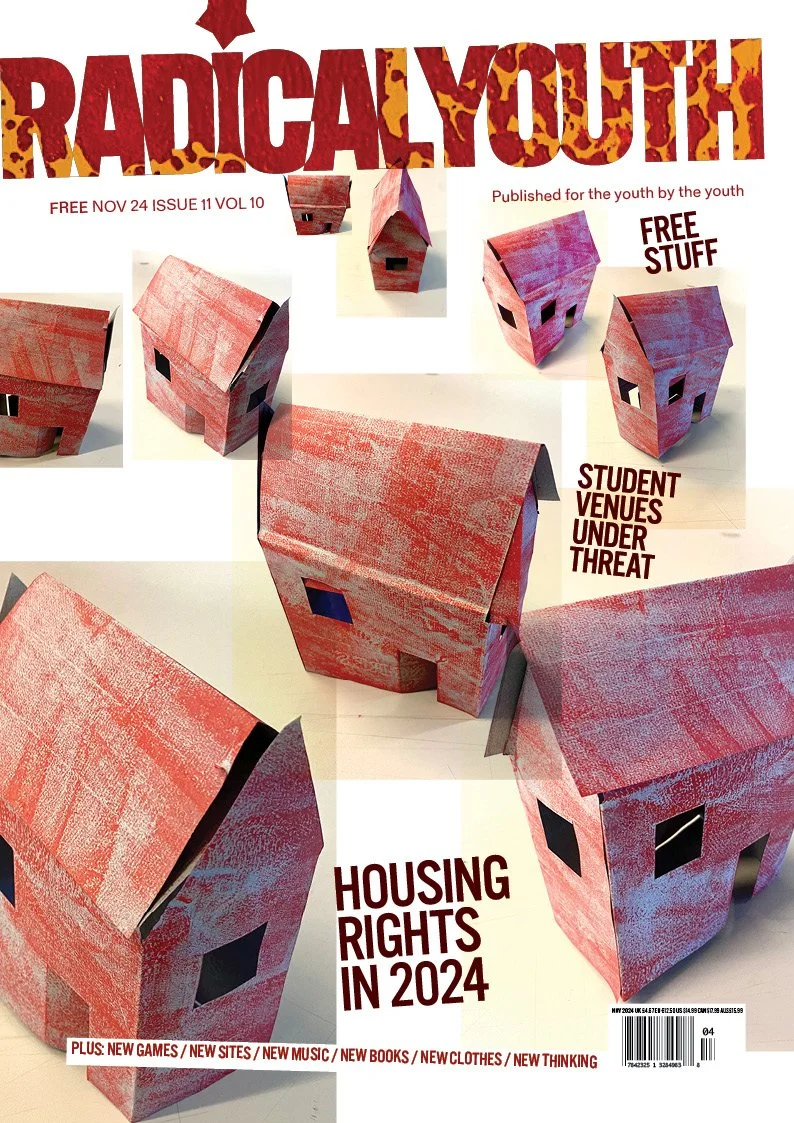
Article 17 student outcome: Everyone has the right to own property alone as well as in association with others.

Article 6 student outcome: Everyone has the right to recognition everywhere as a person before the law.
Human Rights as a Design Framework
The use of Human rights provides an ethical and conceptual framework to explore the role of design within societies the students occupy and participate in. A key question that is asked, is how can visual communication influence our understanding of social issues and promote conversations around themes that affect everyday life.
Participants are allowed to decide whether to operate as an individual or part of a group before selecting an article from the Universal Declaration of Human Rights. Using the double diamond students engage in primary and secondary research, before developing work using visual metaphors and visual communication concepts that communicate ideas through primary graphic design principles such as symbolism, typography, composition.
This reflects Victor Papanek's proposition that designers carry responsibilities beyond aesthetics and commerce, positioning design as a practice capable of responding to genuine human needs (Papanek, 1971).

Article 6 student outcome: Everyone has the right to recognition everywhere as a person before the law.
Senior Lecturer in Digital Innovation: Ricardo Eversley
Senior Lecturer in Digital Innovation: Ricardo Eversley

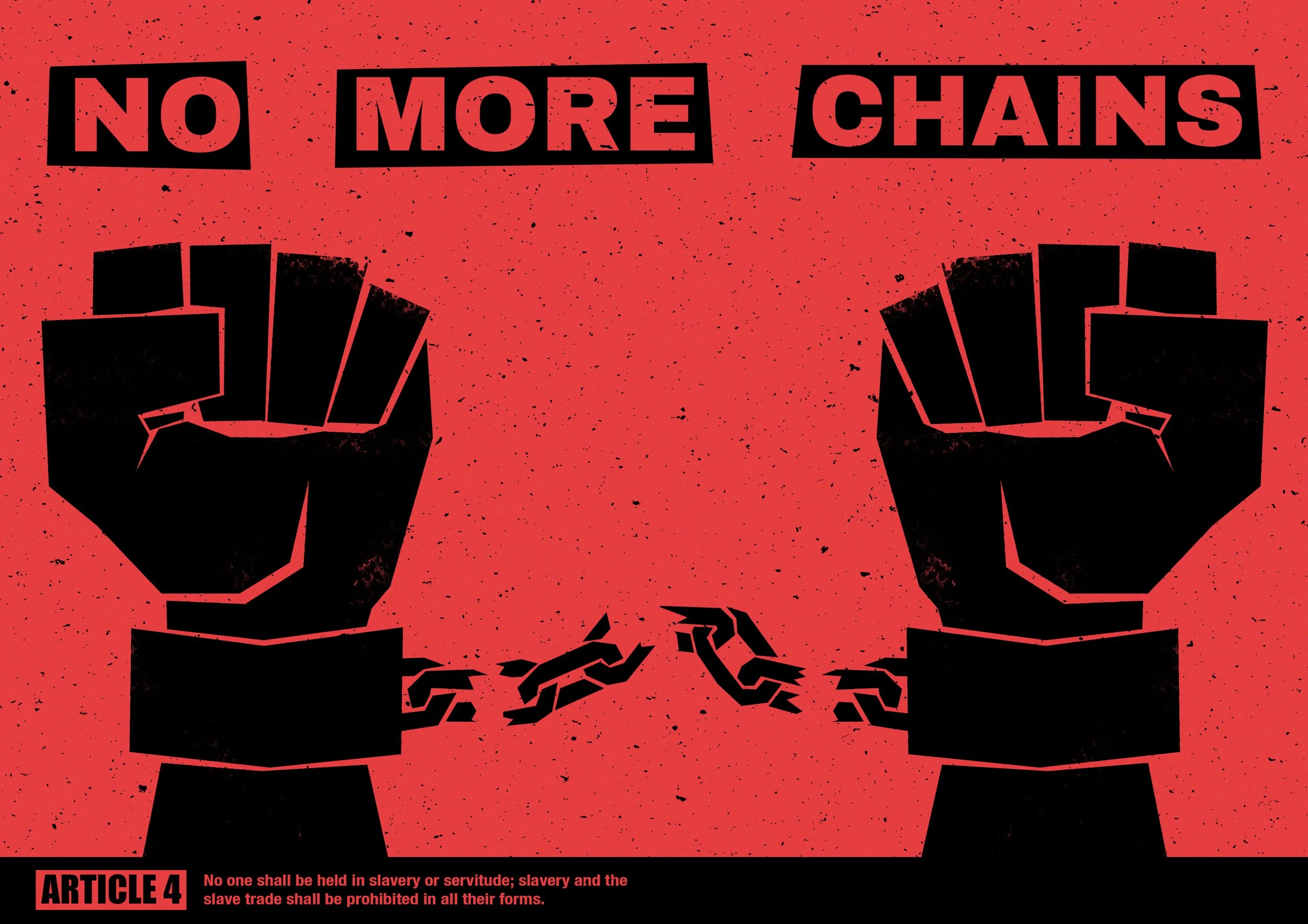
Article 4 student outcome: No one shall be held in slavery or servitude; slavery and the slave trade shall be prohibited in all their forms.
Developing Critical Visual Literacy
The workshop embeds the education for social justice framework within content and reinforces the importance of critical thinking and observation within the visual components of design culture. Tutorials and group work ensure Images, typography and layout are examined and critiqued within a collaborative design environment.
There is also a constant reminder to question representation, audience, context and authorship, to ensure understanding and communication remain core to the purpose of the final work.
This approach within the workshops reflects Paulo Freire's concept of critical pedagogy, which ensures education is thought of as a process of enabling learners to read and question the world before attempting to change it through visual communication (Freire, 1970).
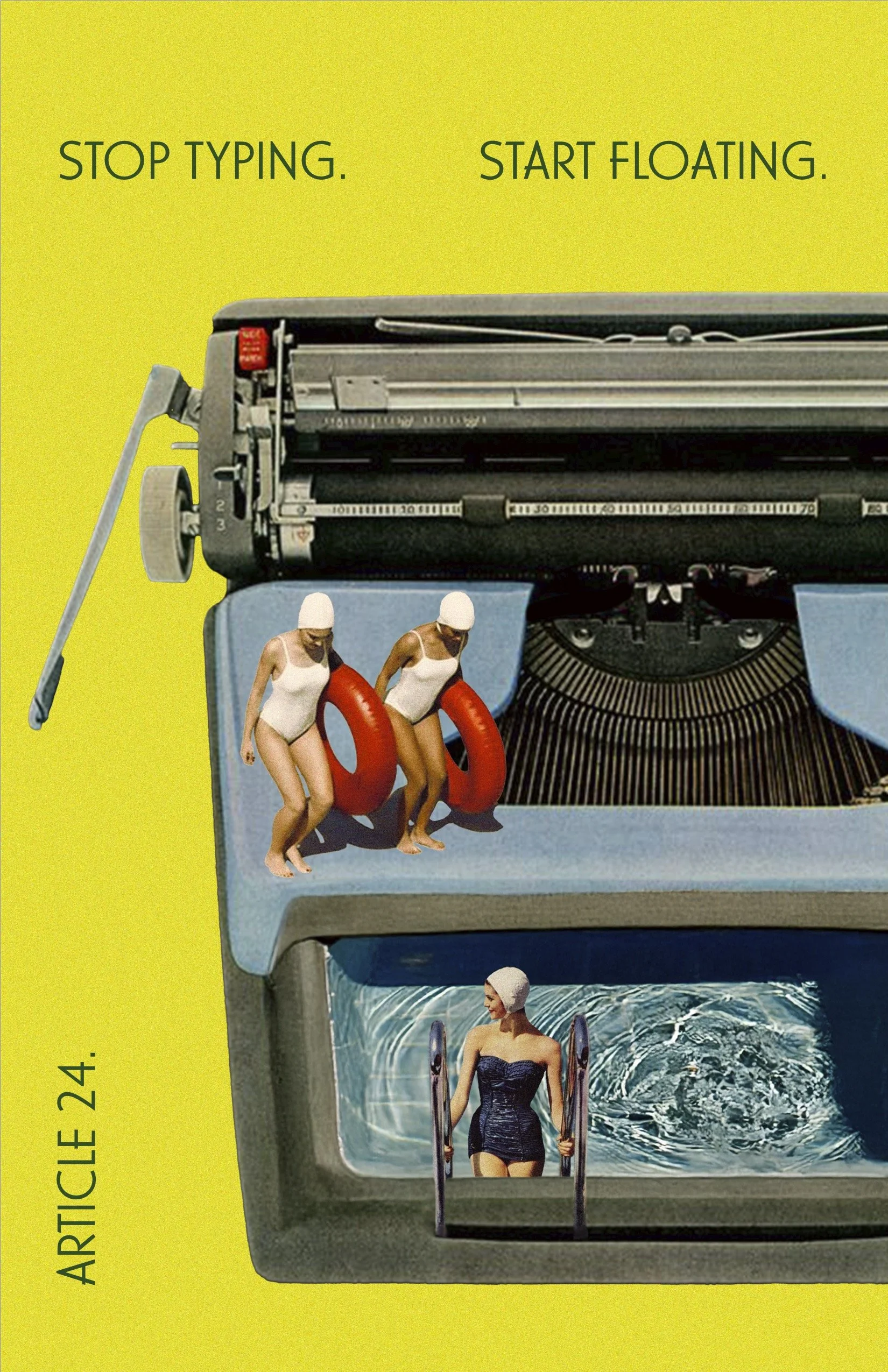
Article 24 student outcome: Everyone has the right to rest and leisure, including reasonable limitation of working hours and periodic holidays with pay.
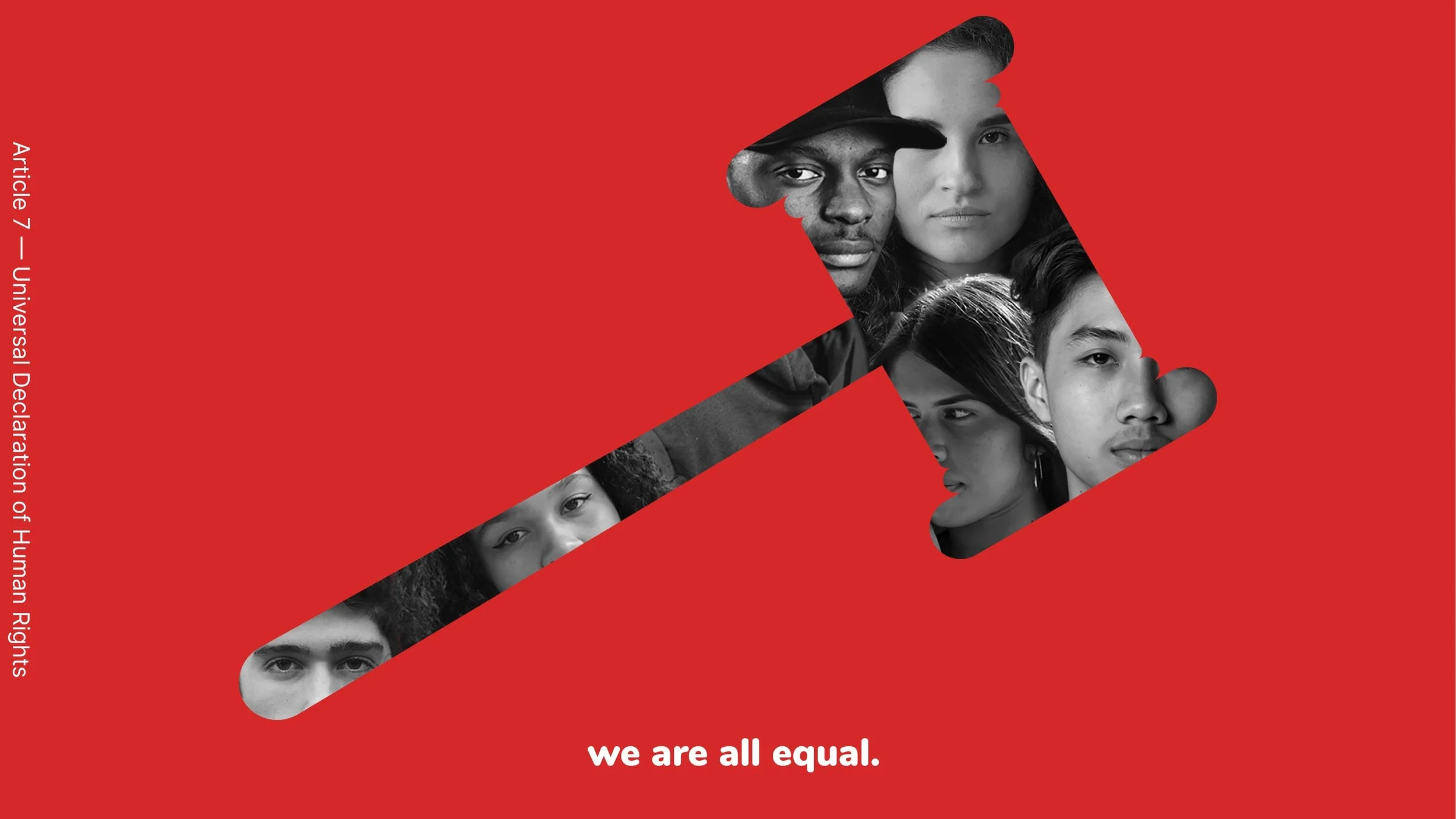
Article 7 student outcome: All are equal before the law and are entitled without any discrimination to equal protection of the law. All are entitled to equal protection against any discrimination in violation of this Declaration and against any incitement to such discrimination.
Design as Civic Practice
The complexities of graphic design are explored via conversations about civic participation. By ensuring that themes of justice, equality and human dignity, are continually reinforced the cohort starts to develop and see in real time the idea that visual communication has the capacity to make complex ideas accessible.
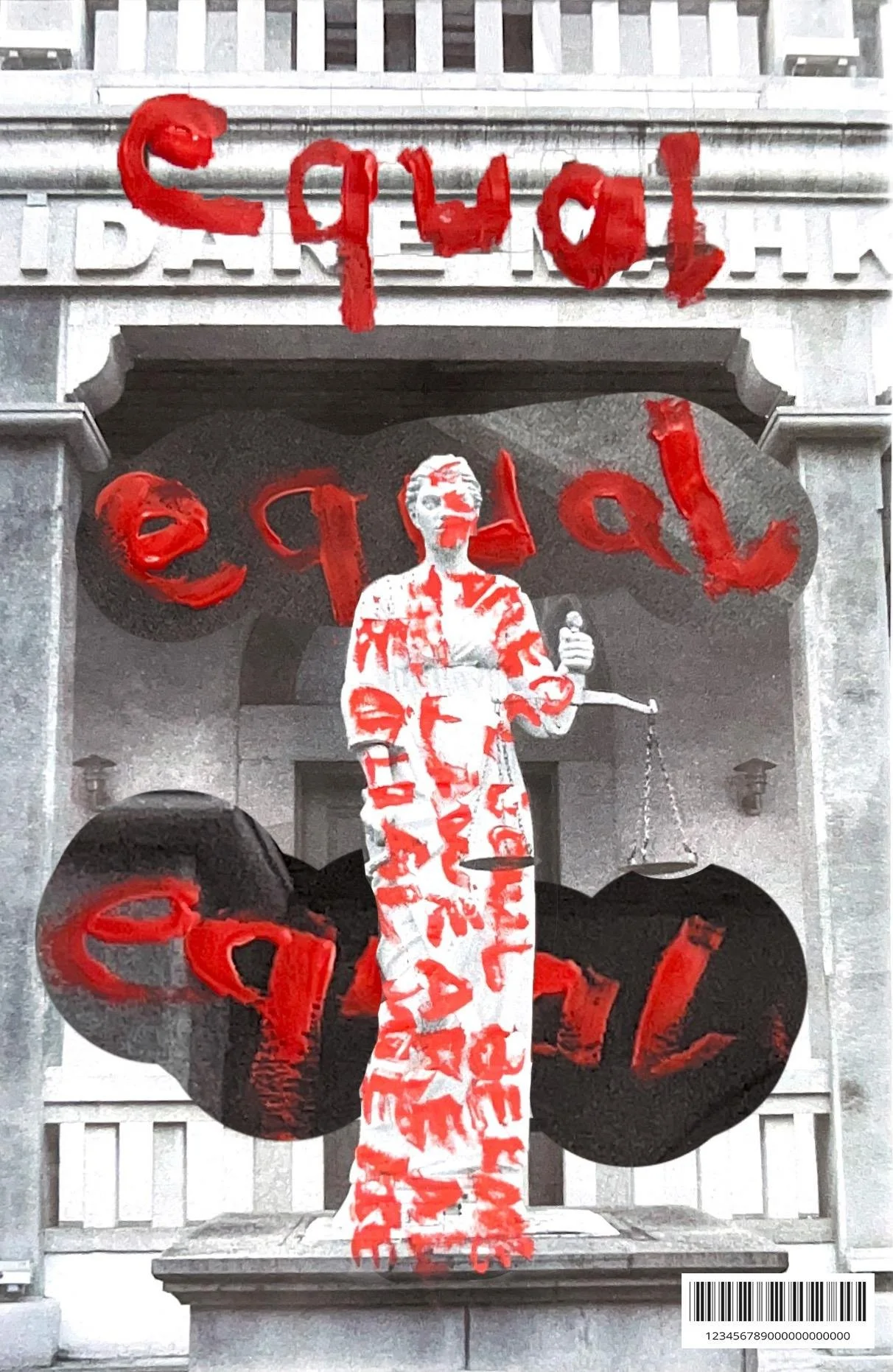
Article 7 student outcome: All are equal before the law and are entitled without any discrimination to equal protection of the law. All are entitled to equal protection against any discrimination in violation of this Declaration and against any incitement to such discrimination.