Time-Space Synesthesia
Credits
Author: Ricardo Eversley
Research Question: How can practice- based visual methodologies
externalise the lived experience of time-space synesthesia through design?
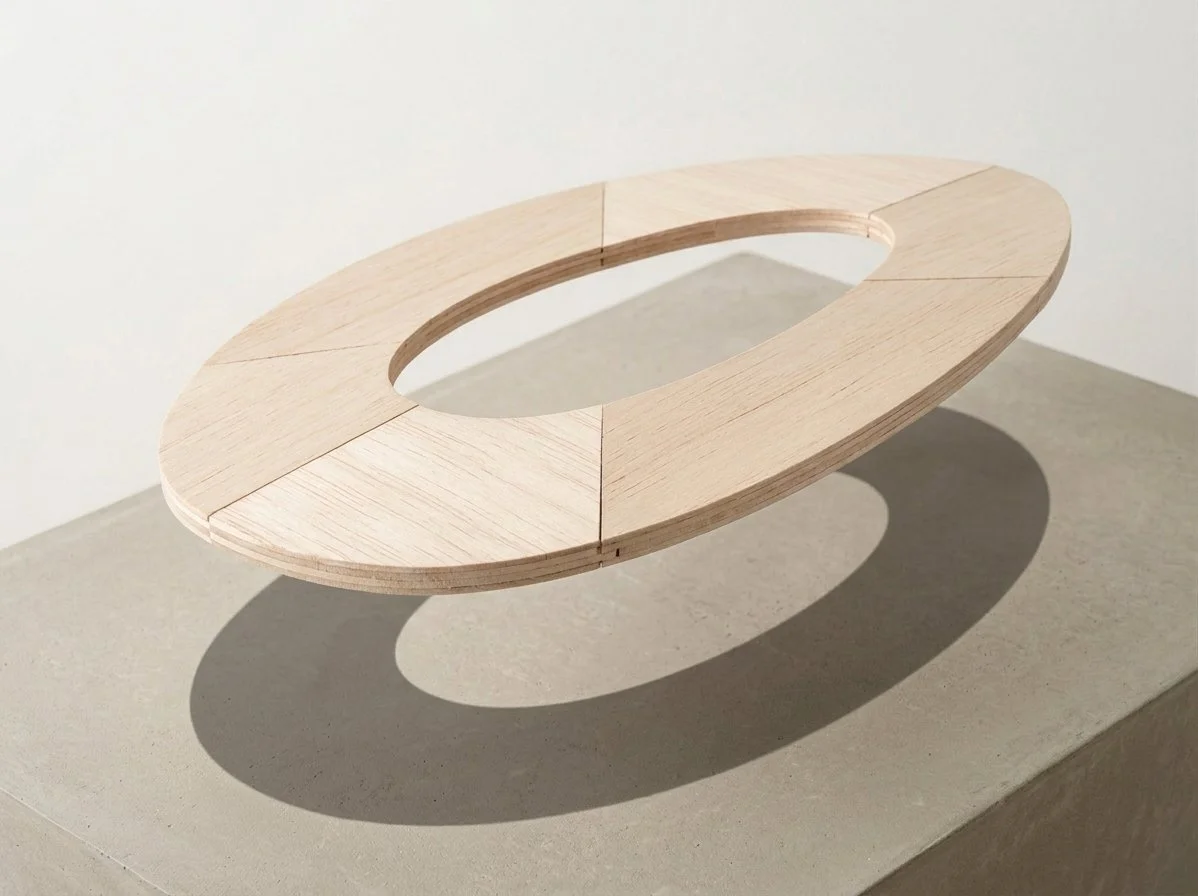
Figure 1. Time-space synesthesia: Spatial Study 01. AI-assisted spatial visualisation developed from the author's original research drawing (Eversley, 2026). See Appendix A for the source drawing.
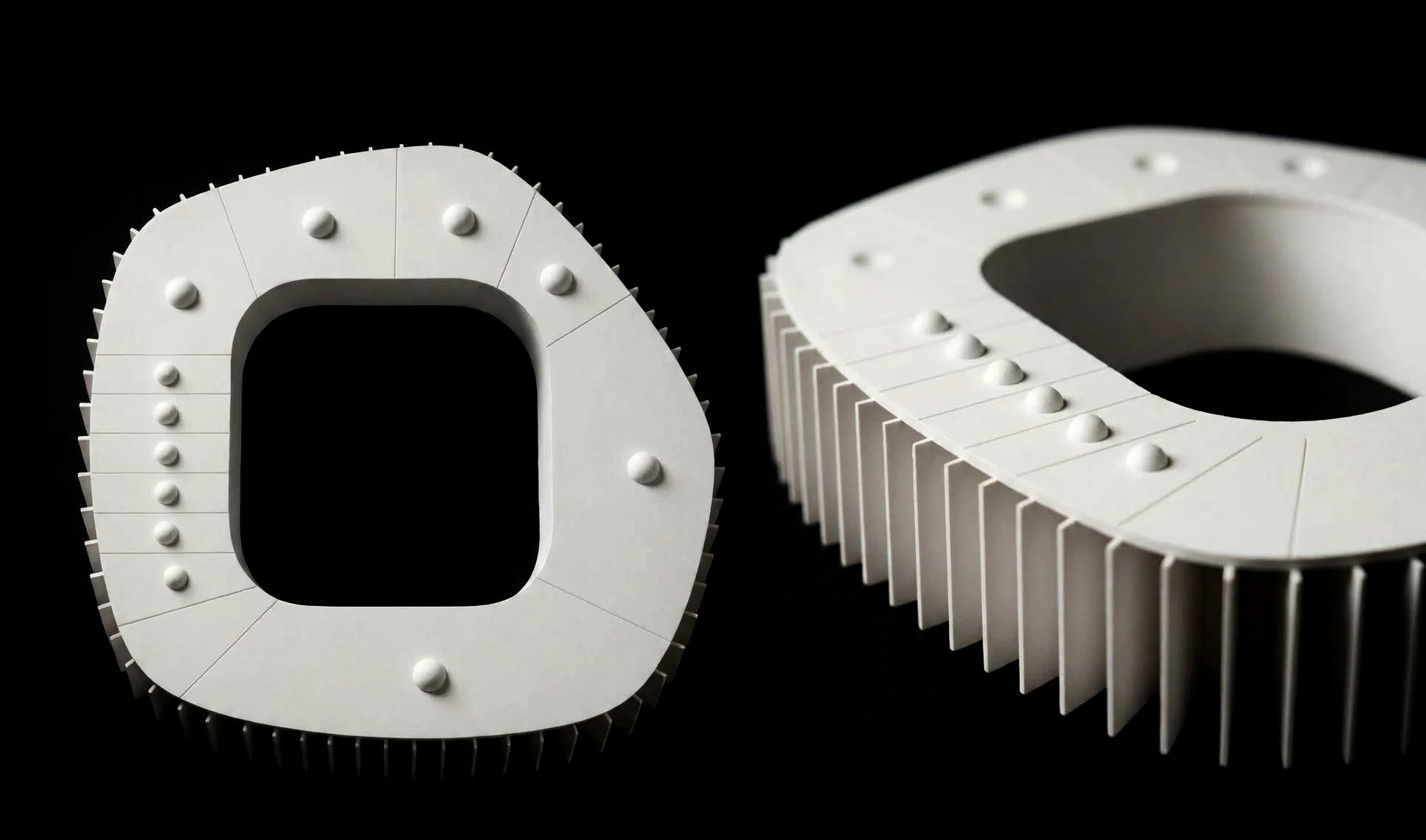
Figure 2. Time-space synesthesia: Yearly 01. AI-assisted spatial visualisation developed from the author's original research drawing (Eversley, 2026). See Appendix F for the source model.
Understanding time-space synesthesia
When we think of time, our understanding tends to align with images of clocks, calendars, and schedules. For many, the experience of time is experienced via a phenomenon known as time-space synesthesia. Here, days, months, and seasons present themselves as spatial instances and take on distinct visual and sensory qualities.
This research aims to investigate time-space synesthesia through the lived experience of the researcher, using design research and practice as a method for analysing and translating these subjective cognitive forms into material forms.
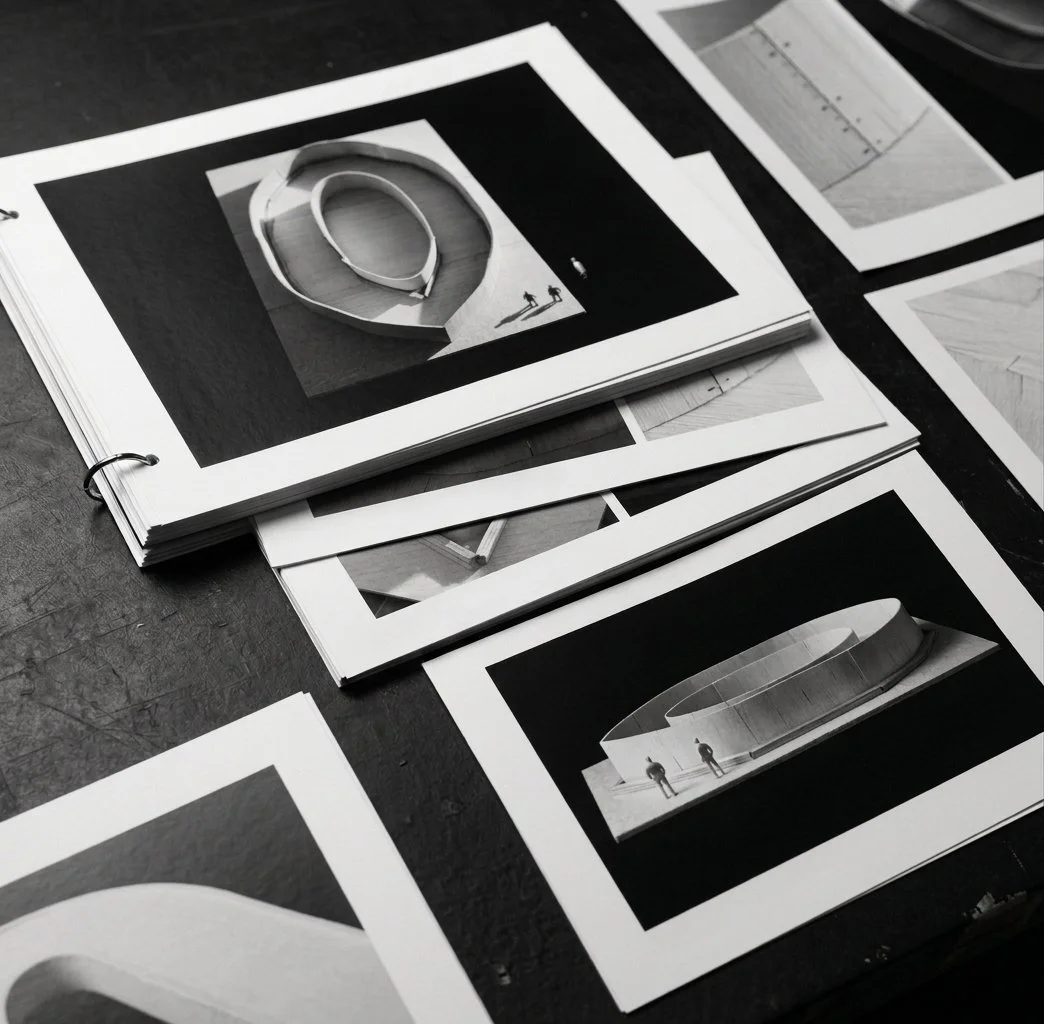
Figure 3. Time-space synesthesia: Portfolio visualisation 02. AI-assisted spatial visualisation developed from the author's original 3D model (Eversley, 2026). See Appendix C for the source model.
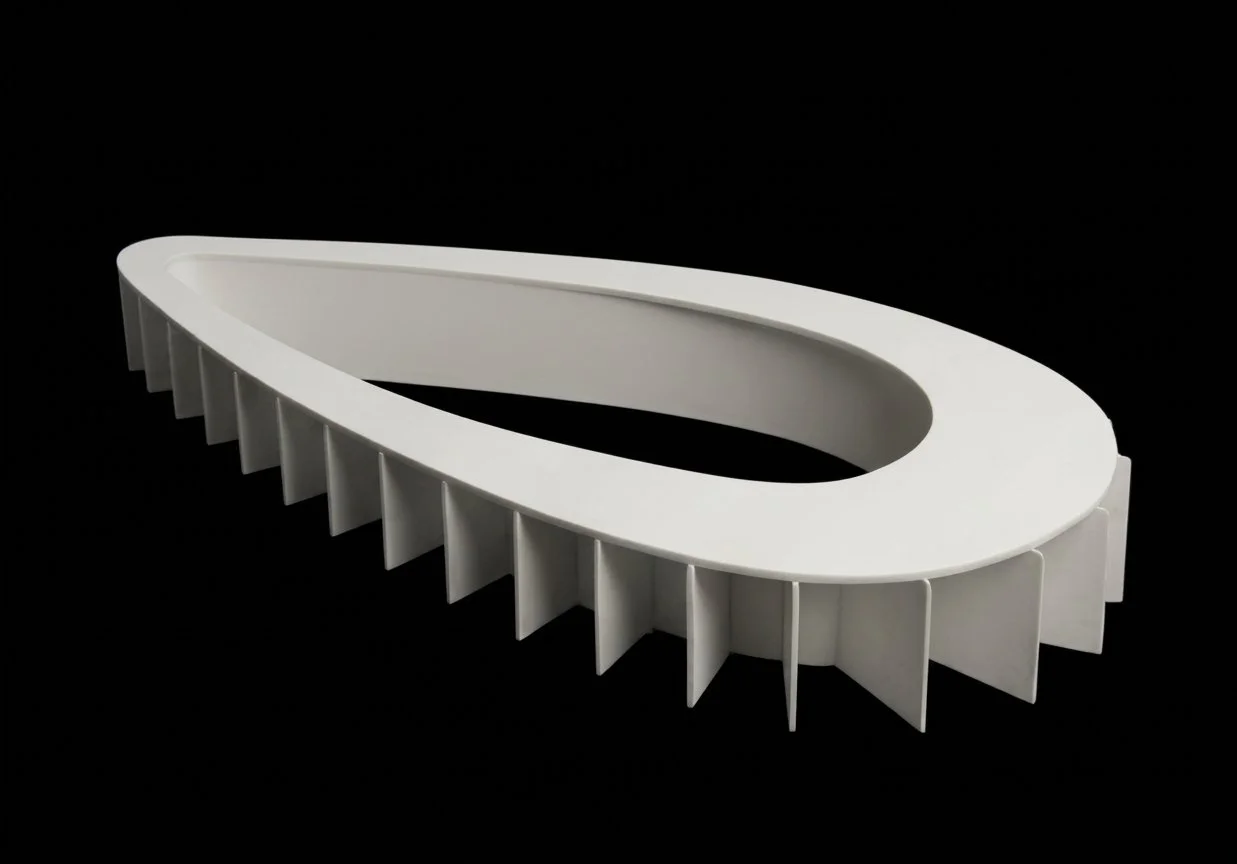
Figure 4. Time-space synesthesia: Spatial Study 02. AI-assisted spatial visualisation developed from the author's original research drawing (Eversley, 2026). See Appendix D for the source drawing.
Figure 5 - 7. Time-space synesthesia: Creative coding visualisations developed from the author's original research drawing (Eversley, 2026). See Appendix D for the source drawing.
Senior Lecturer in Digital Innovation: Ricardo Eversley
Senior Lecturer in Digital Innovation: Ricardo Eversley

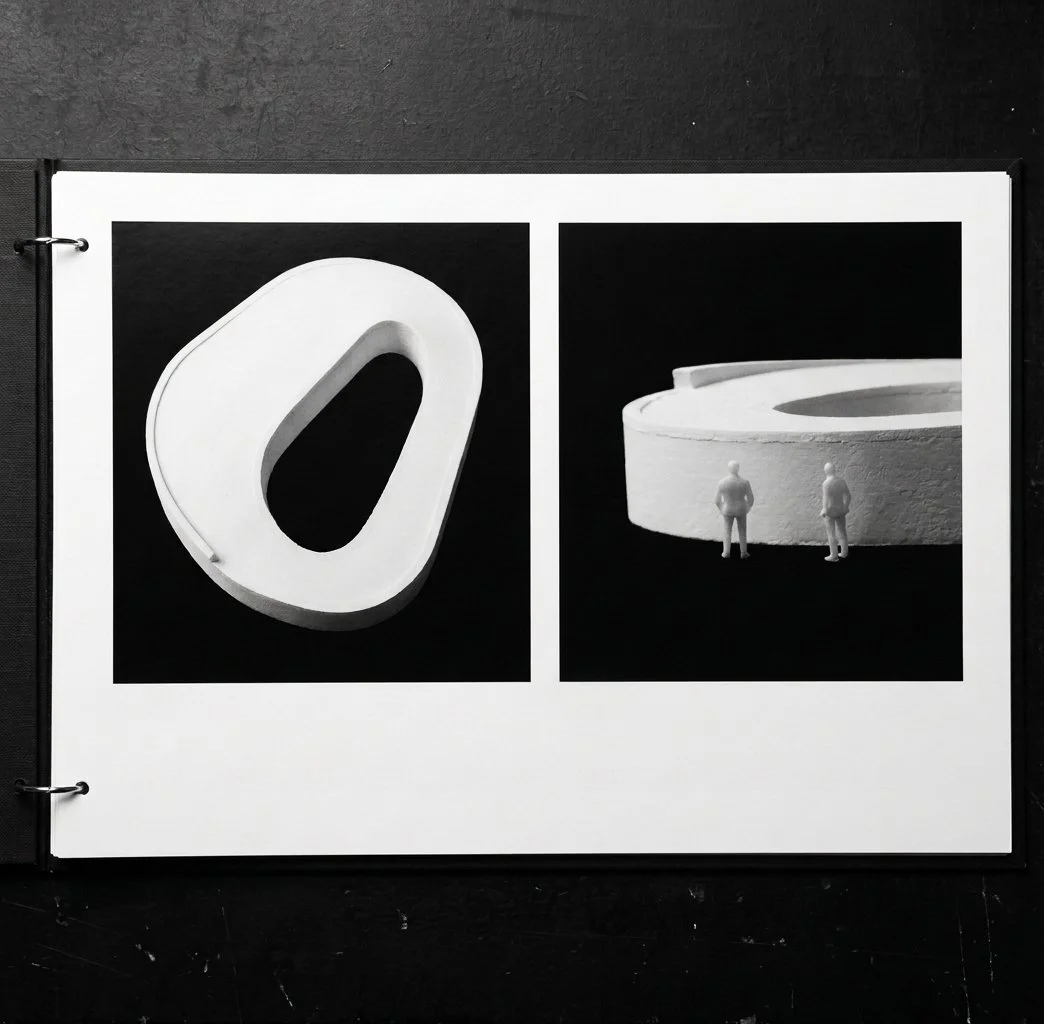
Figure 8. Time-space synesthesia: Portfolio visualisation 01. AI-assisted spatial visualisation developed from the author's original research drawing (Eversley, 2026). See Appendix B for the source model.
Methods and tools
Drawing, AI-computational spatial studies and three-dimensional modelling are used as tools of inquiry rather than illustration. Through iterative sketching and model making, the research explores the spatial relationships, forms and organisational structures that characterise an internal perception of time. Each drawing and model functions as an experiment, allowing understanding to emerge through making, reflection and refinement.
Rather than adopting a particular visual style, the project embraces process as a means of generating knowledge and prompting discourse.
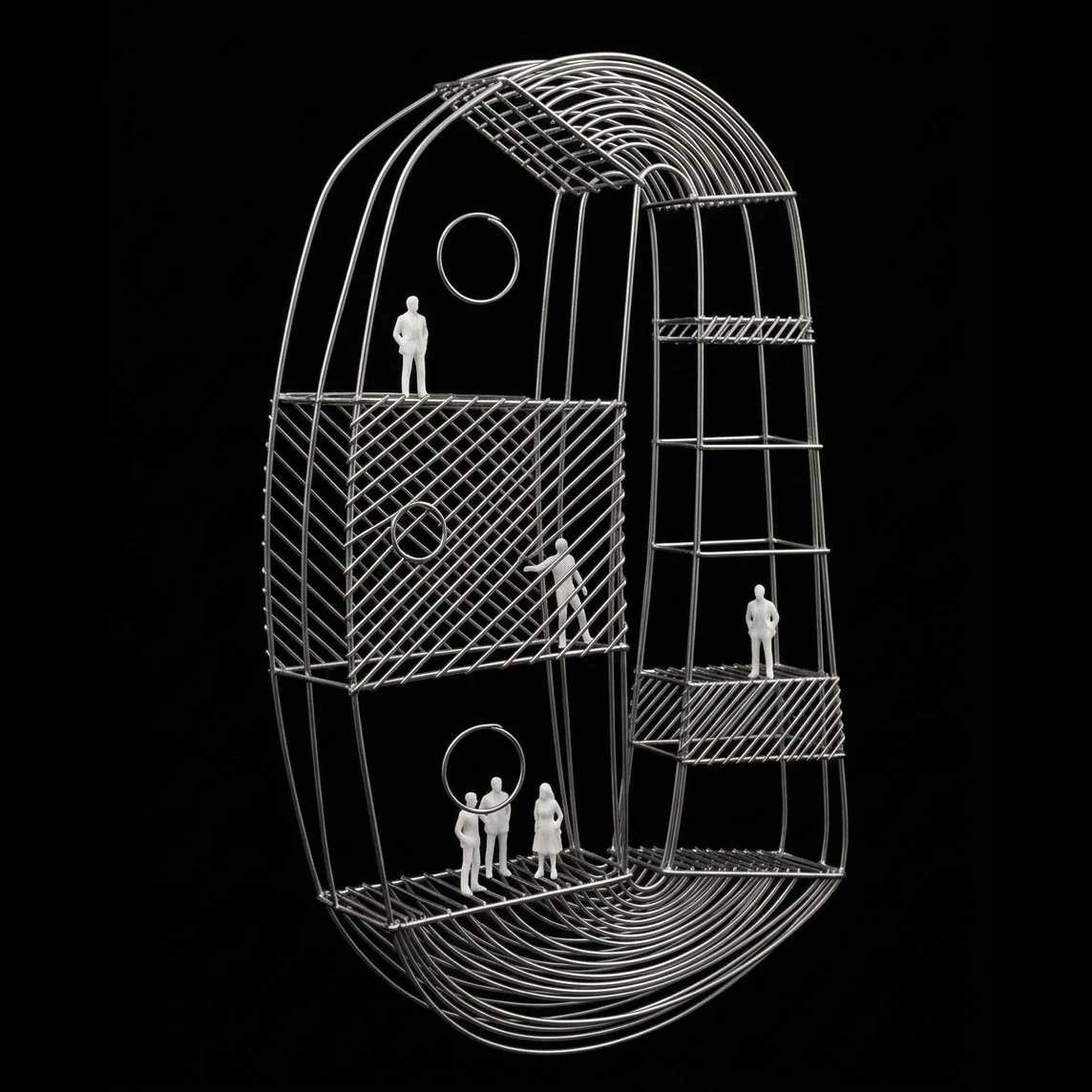
Figure 9. Time-space synesthesia: Wire Spatial Study 03. AI-assisted spatial visualisation developed from the author's original 3D model (Eversley, 2026). See Appendix E for the source model.
Appendix
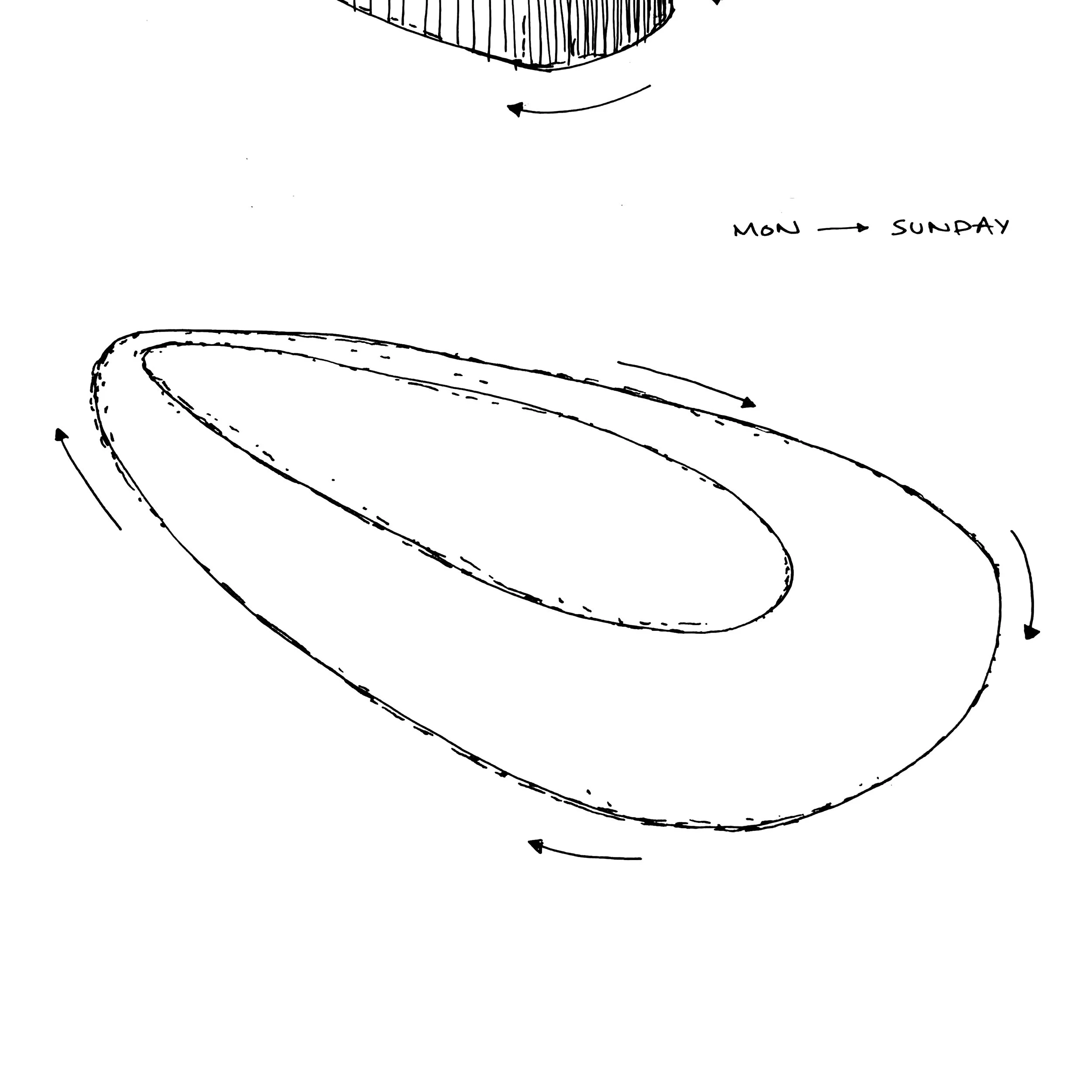
Appendix A – Time-space synesthesia drawing used to inform the 3-dimensional AI render in Figure 1.
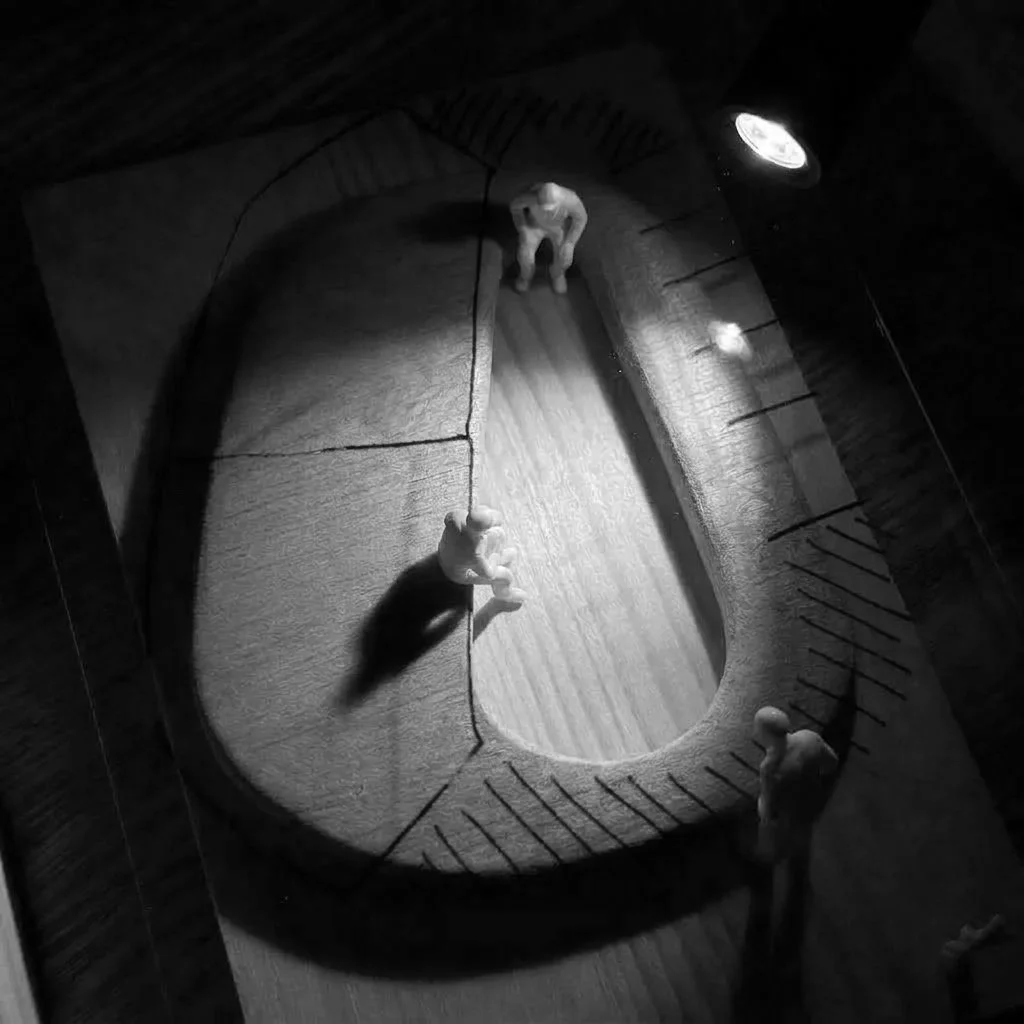
Appendix B – Balsa wood study exploring weekly representations used to inform the orientational AI renders and variations in Figure 8.
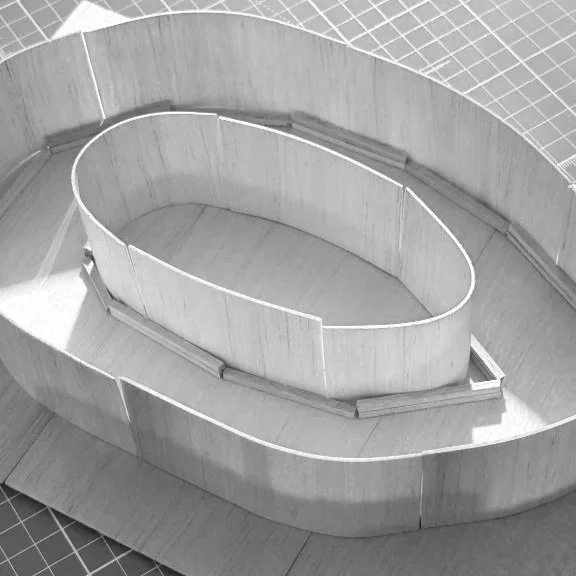
Appendix C – Experimental wall construction: Cognitive example of what the week looks like. Model was used to inform portfolio image in Figure 3
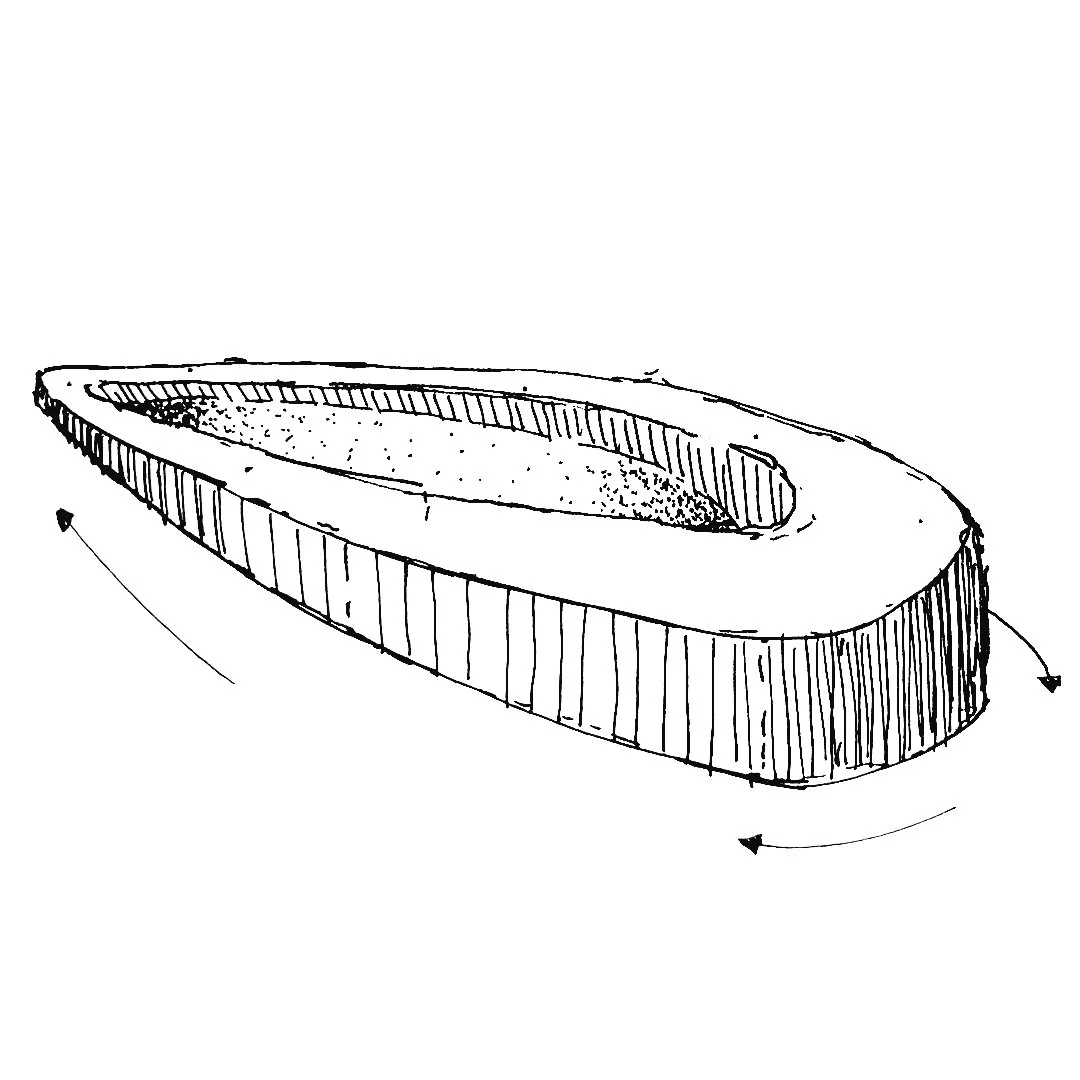
Appendix D – Time-space synesthesia weeley drawing used to inform the 3-dimensional AI render in Figures 4 - 7.
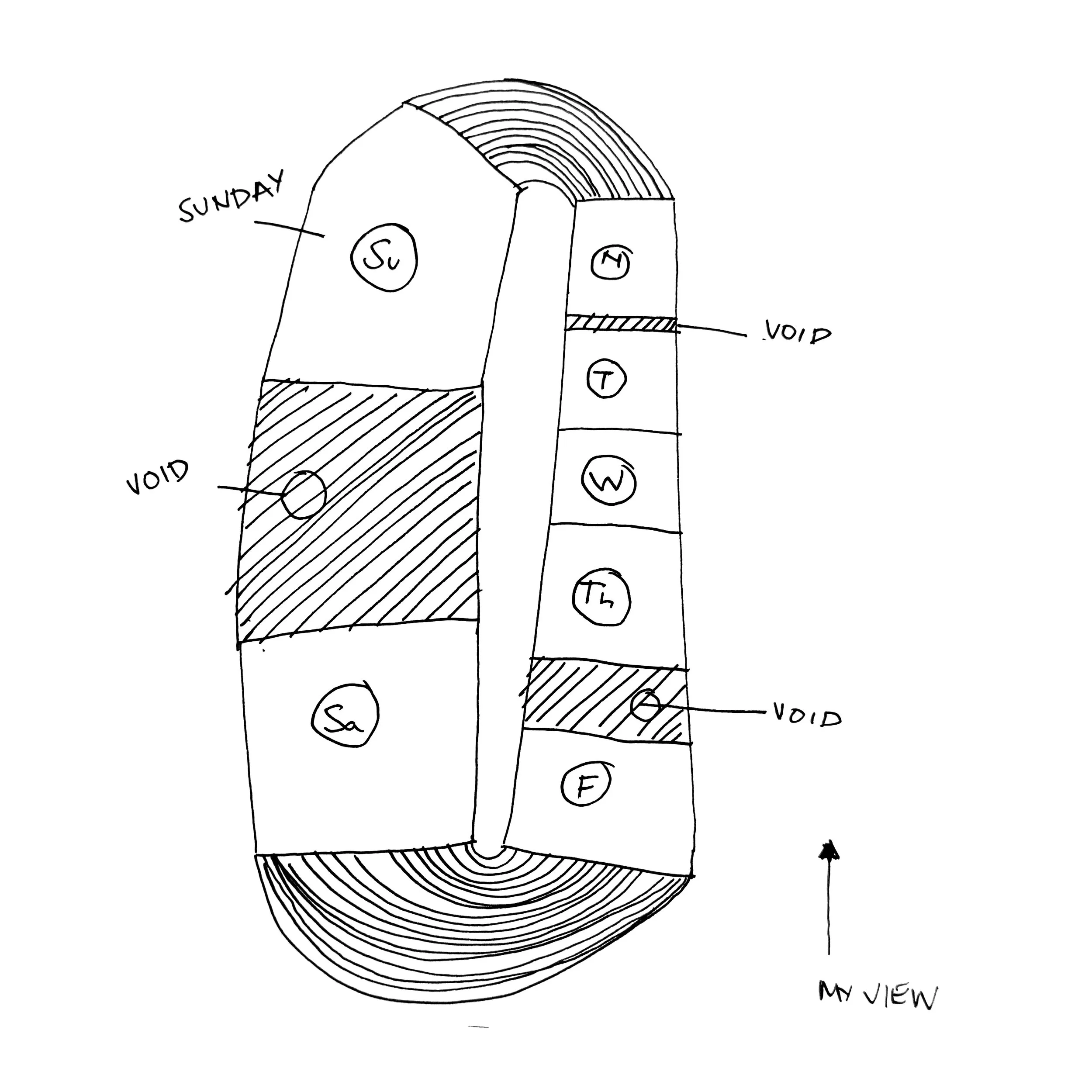
Appendix E – drawing: Research time-space synesthesia weekly drawing used to inform the 3-dimensional AI render in Figure 9.
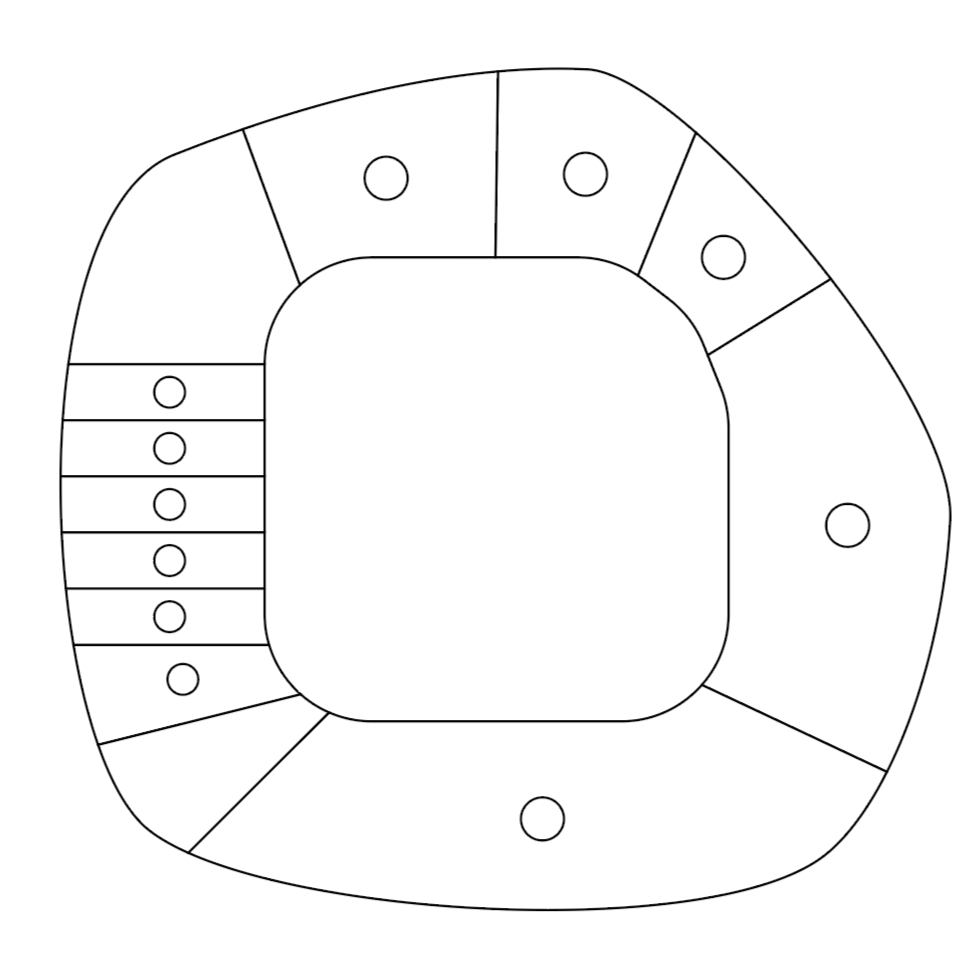
Appendix F – Time-space synesthesia yearly drawing used to inform the 3-dimensional AI render in Figure 2.
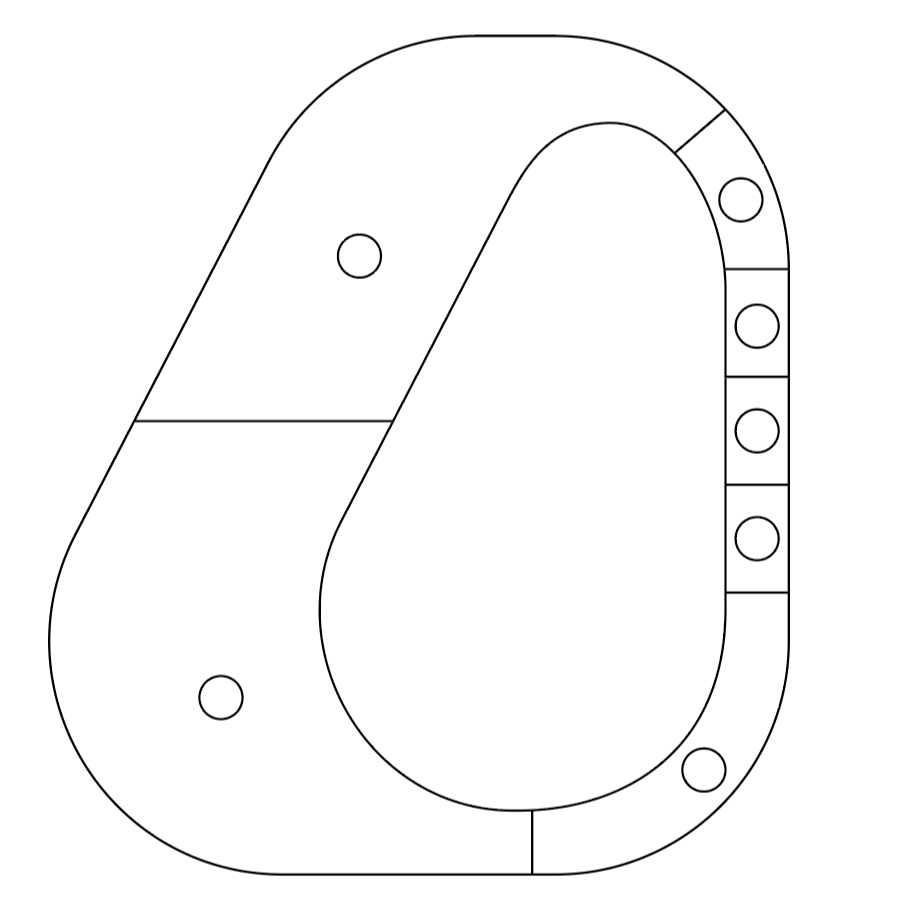
Appendix G – Time-space synesthesia weekly drawing used to inform the 3-dimensional AI render in Figure 8.
References
Eversley, R. (2026) Time-space synesthesia: AI-assisted spatial studies. [Digital image series]. Original research drawings, physical models and creative direction by the author; AI-assisted visualisation generated using Google Gemini.