Passion Toolkit: Transforming Personal Interests into Interactive Learning Experiences
Credits
Project and workshop constructed by: Ricardo Eversley
Images: BA Graphic Design students
The Passion Toolkit project and workshops explore how personal interests can become meaningful experiences for others through graphic design, storytelling and physical interaction. Rather than asking learners to respond to an external client brief, the project begins with an individual's own curiosity, encouraging them to investigate how knowledge can be translated into playful, educational and audience-centred artefacts. The workshop brief asks participants to transform a personal passion into a toolkit that educates, engages and entertains, while exploring analogue making, craft and interactive communication.
Positioned at the intersection of design thinking, experience design and visual communication, the workshop reframes design as an act of knowledge sharing. Participants move beyond designing static outcomes towards creating systems of interaction that invite audiences to learn through exploration, play and participation.
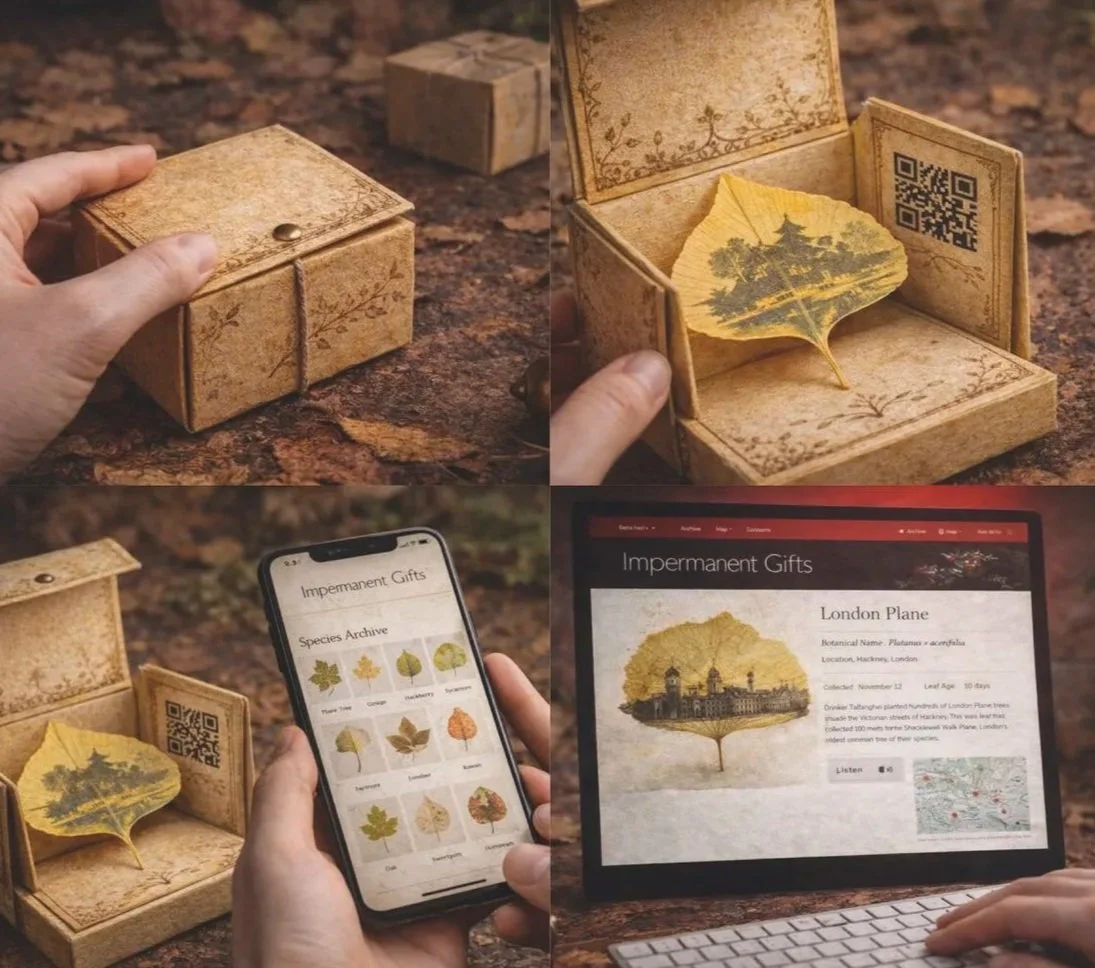
Impermanent Gifts – Toolkit
An exploration of the relationship between design, nature and memory that combines fragile physical artefacts with digital storytelling to create an immersive experience centred on impermanence and environmental awareness. The final outcome demonstrated a sophisticated understanding of experience design, sustainability and narrative interaction, successfully integrating organic materials, graphic systems and archival technologies to encourage audiences to reflect on the evolving relationship between people, place and the natural world.
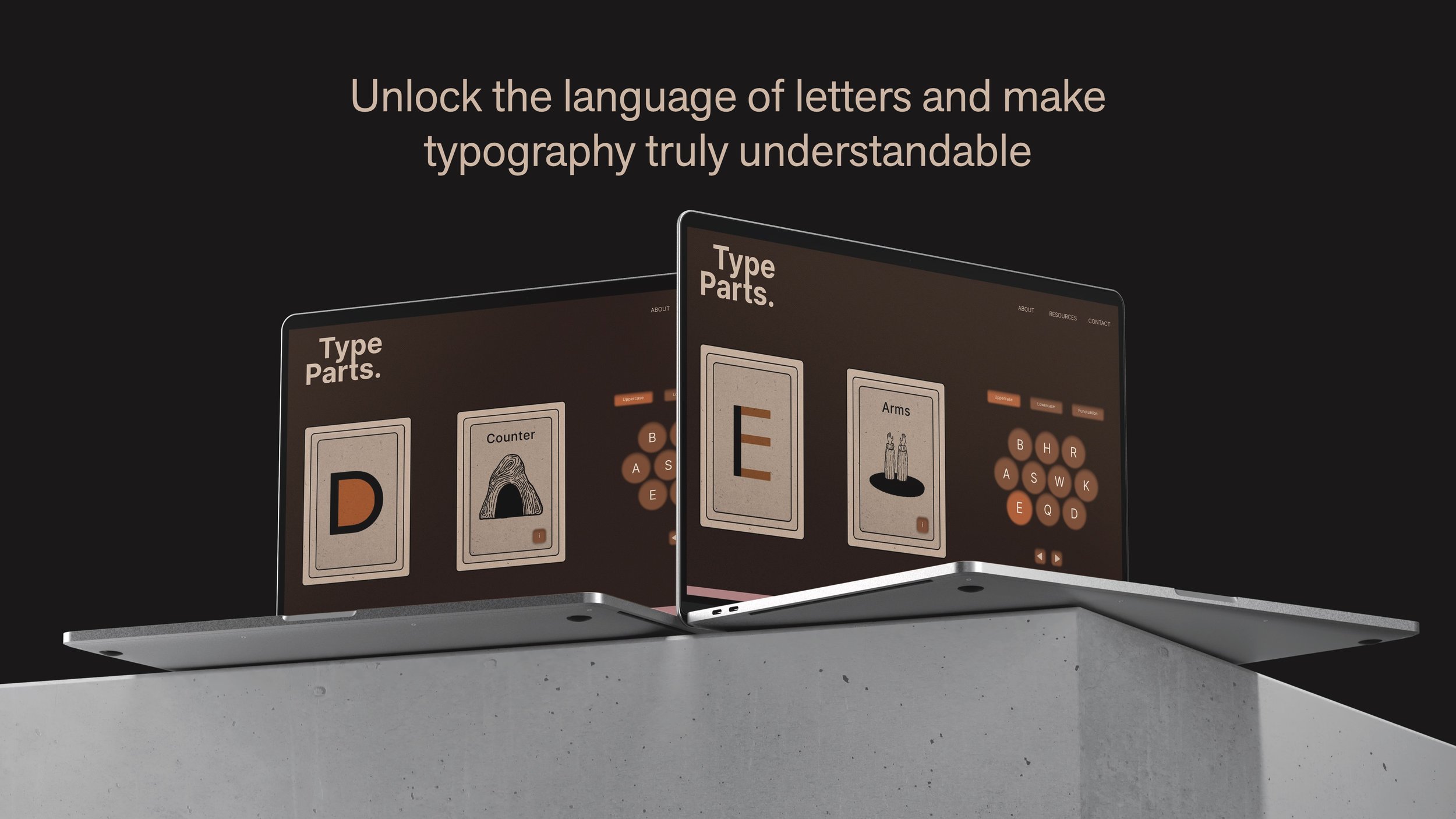
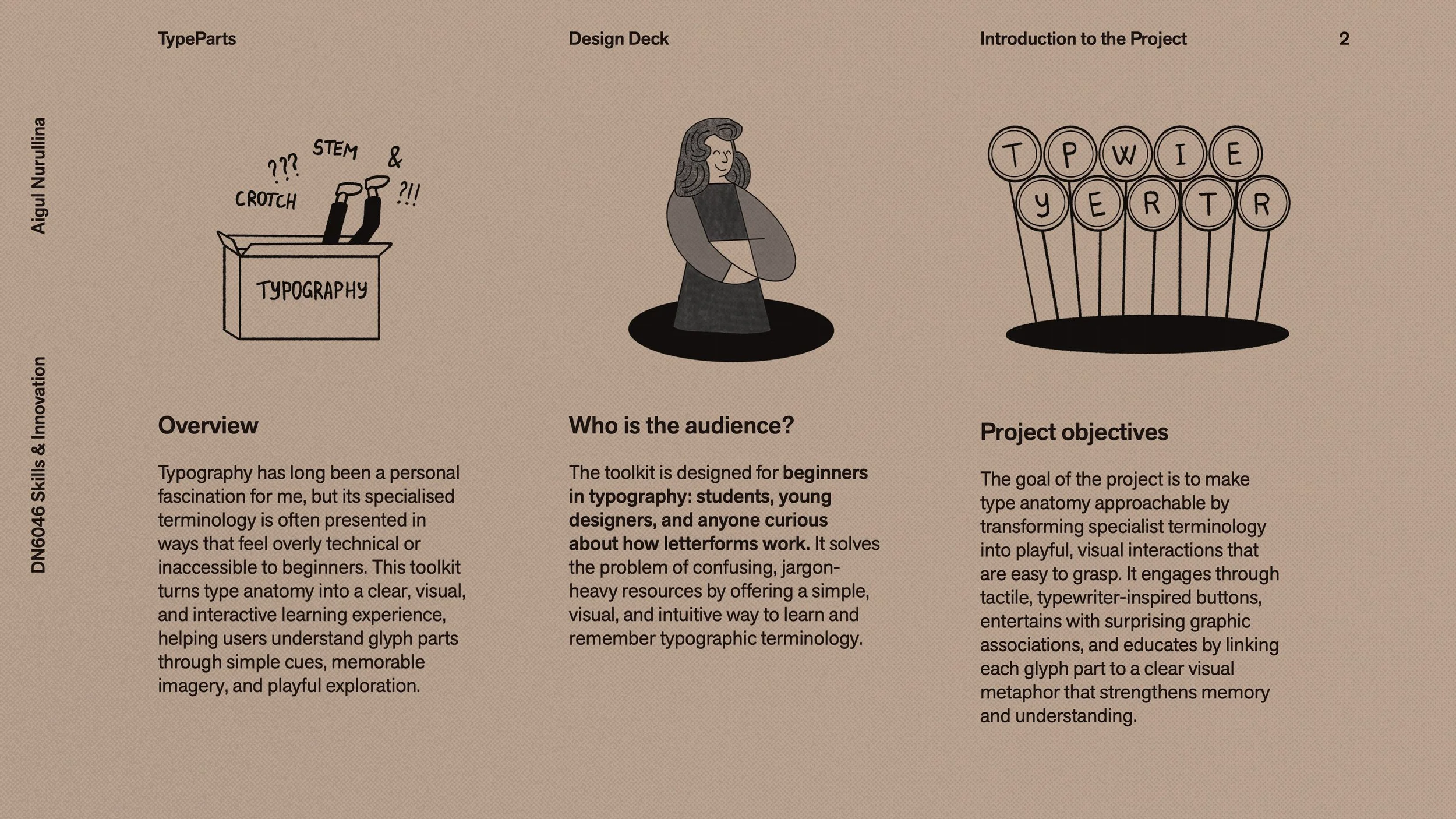
TypeParts – Toolkit
An outcome that reimagines typography education through an interactive digital experience that transforms specialist terminology into clear, memorable and engaging visual associations. The final outcome demonstrated a strong understanding of user experience, information design and gamification, successfully combining playful interaction with educational content to make type anatomy accessible to beginner designers.
Designing from Passion
The project begins with a deceptively simple question: What genuinely interests you?
Rather than prescribing subject matter, participants identify a personal passion before narrowing it into a specific educational opportunity. Broad interests are mapped into increasingly focused concepts, allowing learners to move from personal enthusiasm towards audience value. A passion for football, for example, might evolve into a toolkit exploring landmark moments in women's football through interactive storytelling and physical engagement. This emphasis on personal ownership encourages intrinsic motivation while demonstrating that compelling design often begins with authentic curiosity rather than externally imposed problems.
This approach reflects constructivist learning principles, where knowledge is actively constructed through personal experience and reflection (Piaget, 1972; Vygotsky, 1978). Rather than separating learning from lived experience, the workshop positions existing interests as valuable design research.
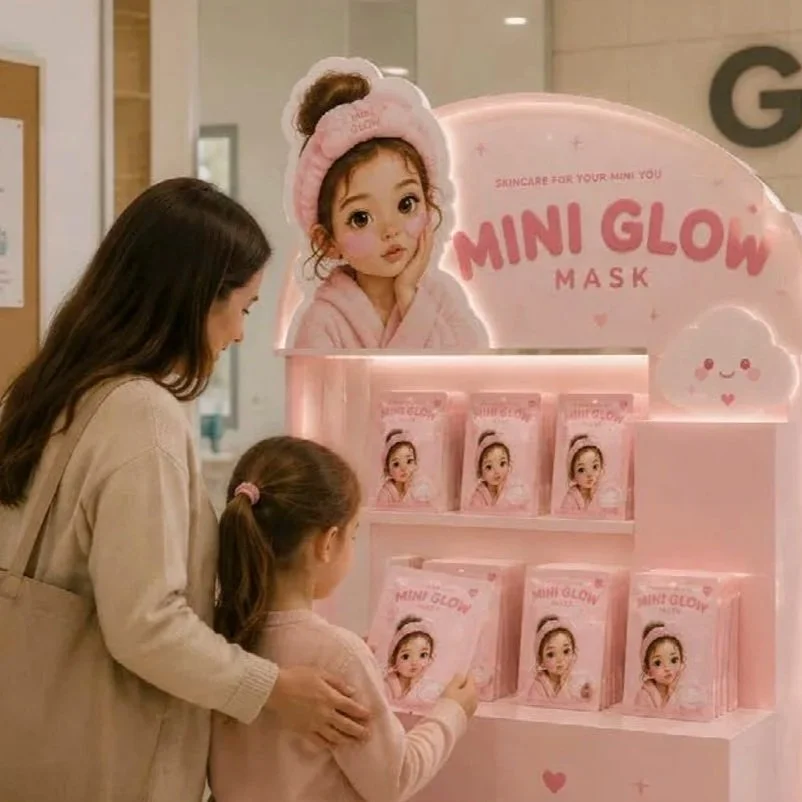
MINI GLOW MASK – Toolkit
A critical exploration of the growing influence of beauty culture on children by transforming a familiar skincare product into an interactive awareness campaign that encourages reflection and discussion. The final outcome demonstrated a thoughtful application of speculative design, branding and behavioural communication, successfully combining visual disruption, physical interaction and digital content to challenge perceptions of childhood beauty standards.
Senior Lecturer in Digital Innovation: Ricardo Eversley
Senior Lecturer in Digital Innovation: Ricardo Eversley

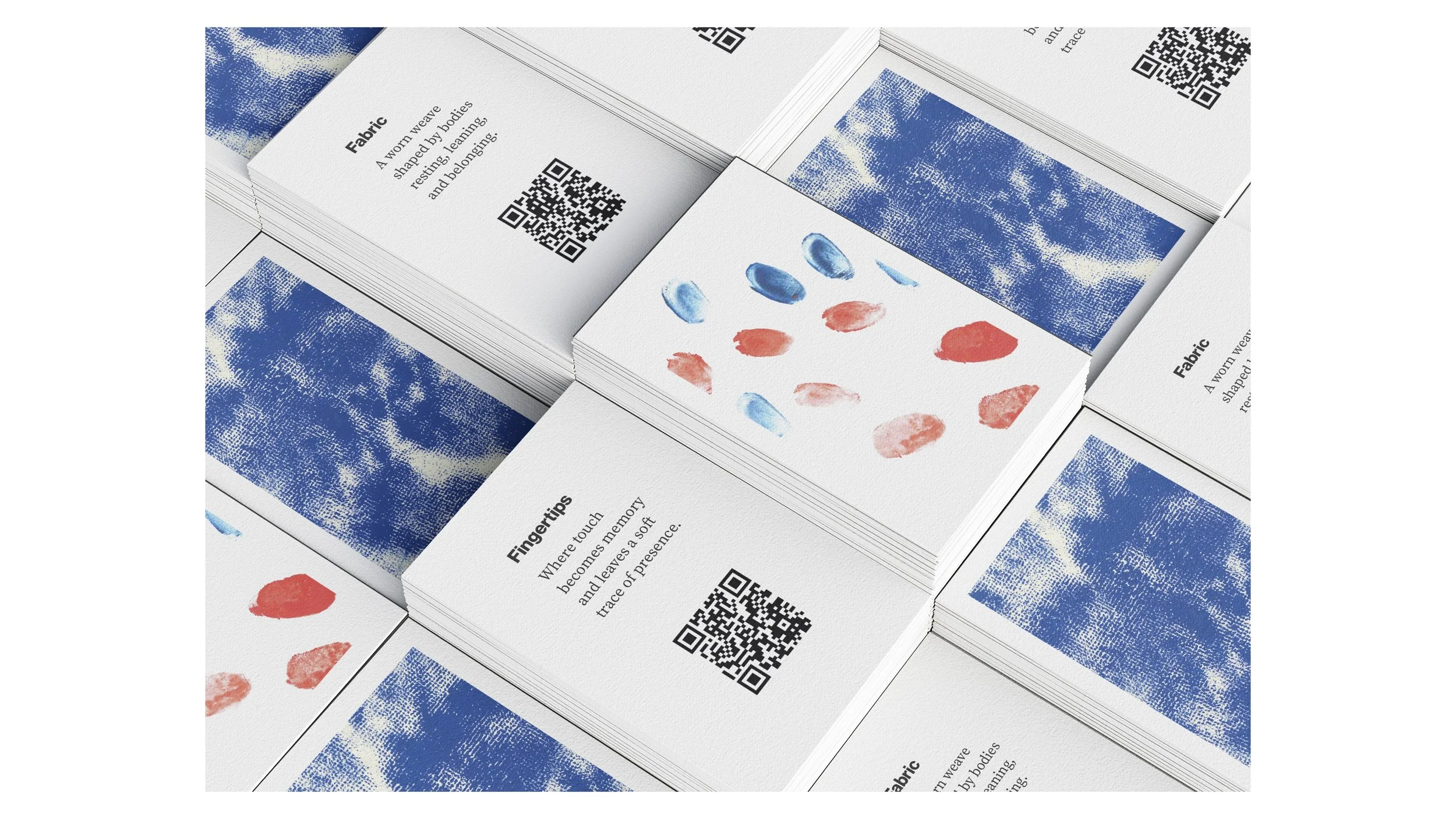
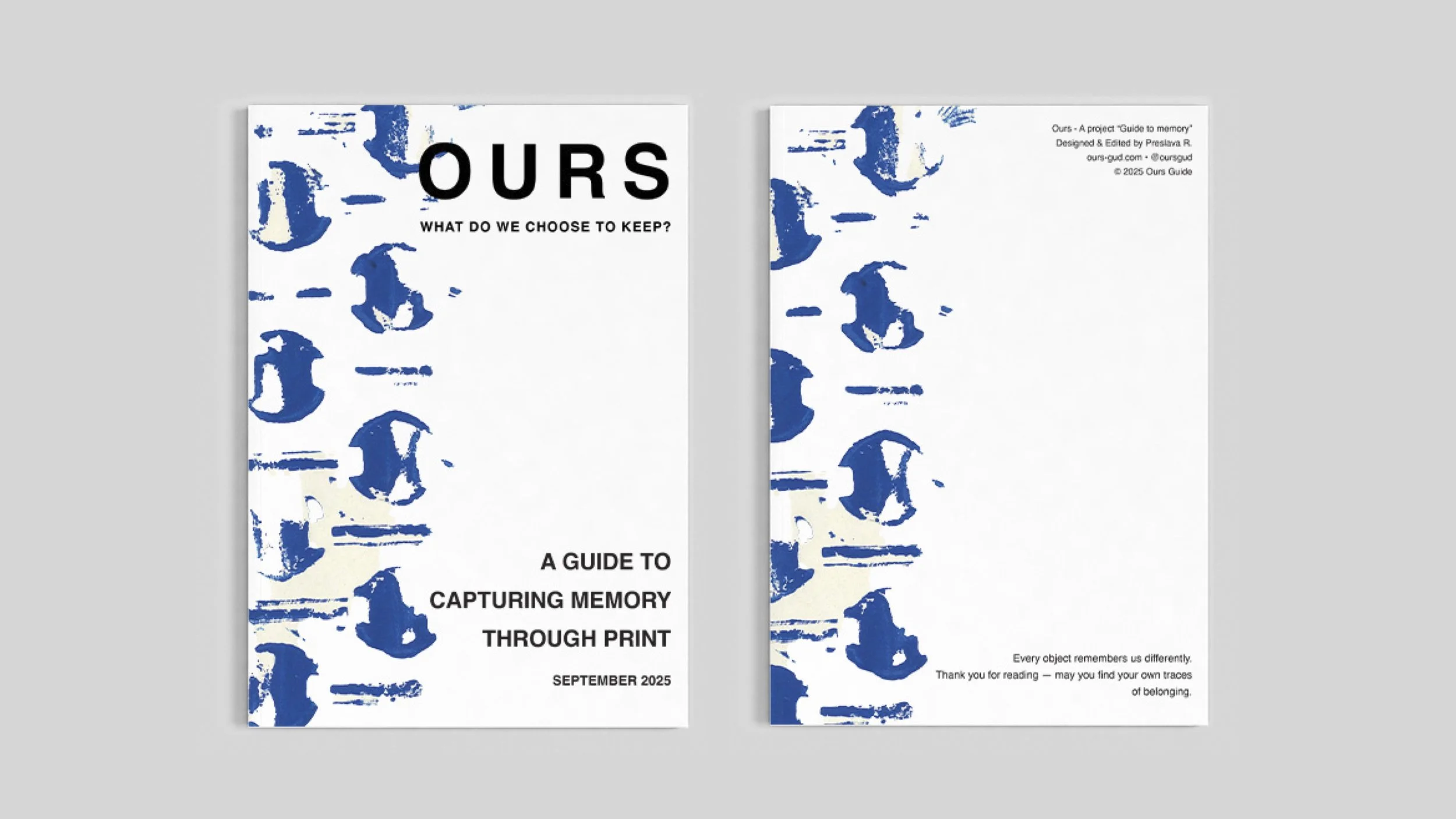
Traces of Belonging – Toolkit
This submission transformed the emotional experience of memory preservation into a tactile print-based learning experience, encouraging audiences to explore how analogue processes can capture and carry personal narratives. The final outcome demonstrated a sensitive integration of editorial design, printmaking and interaction design, successfully using materiality and storytelling to position print as a medium for reflection, connection and belonging.
Research Through Curiosity
Once a direction has been established, participants investigate the history, facts, narratives and audiences surrounding their chosen topic. Research becomes a process of uncovering stories worth communicating rather than collecting information for its own sake.
Mind mapping, audience profiling and content organisation encourage participants to identify educational opportunities hidden within familiar subjects. This stage shifts attention from what I know to what others could learn, reinforcing principles of audience-centred communication and information design.
The methodology aligns closely with the Discover and Define phases of the Double Diamond framework (Design Council, 2019), encouraging divergent exploration before converging on a focused educational concept.
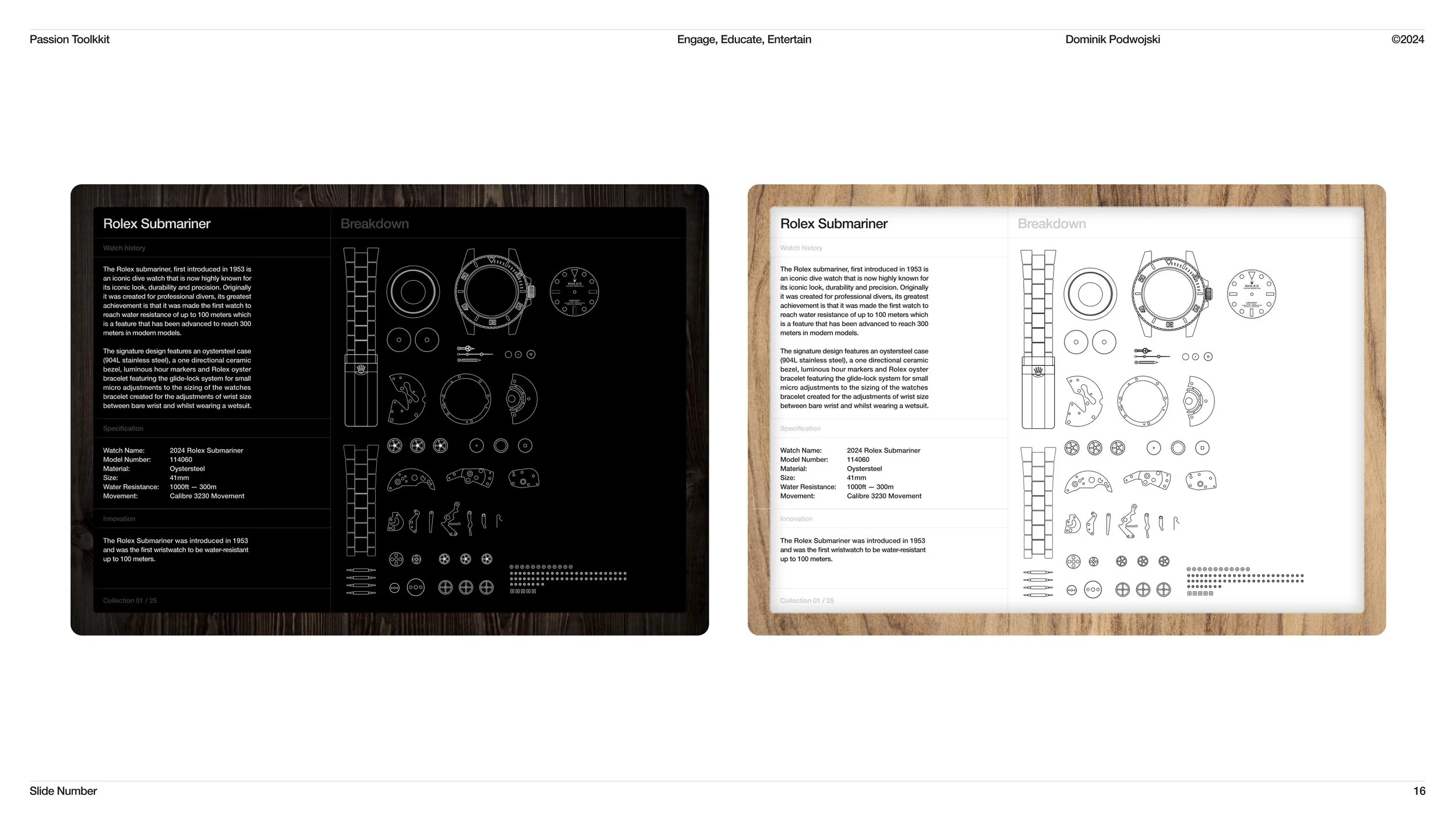
Timeless Mechanics — Toolkit
A deep dive into the complex history and mechanics of luxury watchmaking saw this project produce an accessible and engaging educational experience using editorial design, interactive materials and collectible artefacts. The final outcome demonstrated a sophisticated understanding of information design, typography and user engagement, successfully combining Swiss-inspired visual language with tactile learning to celebrate the innovation and craftsmanship of horology.
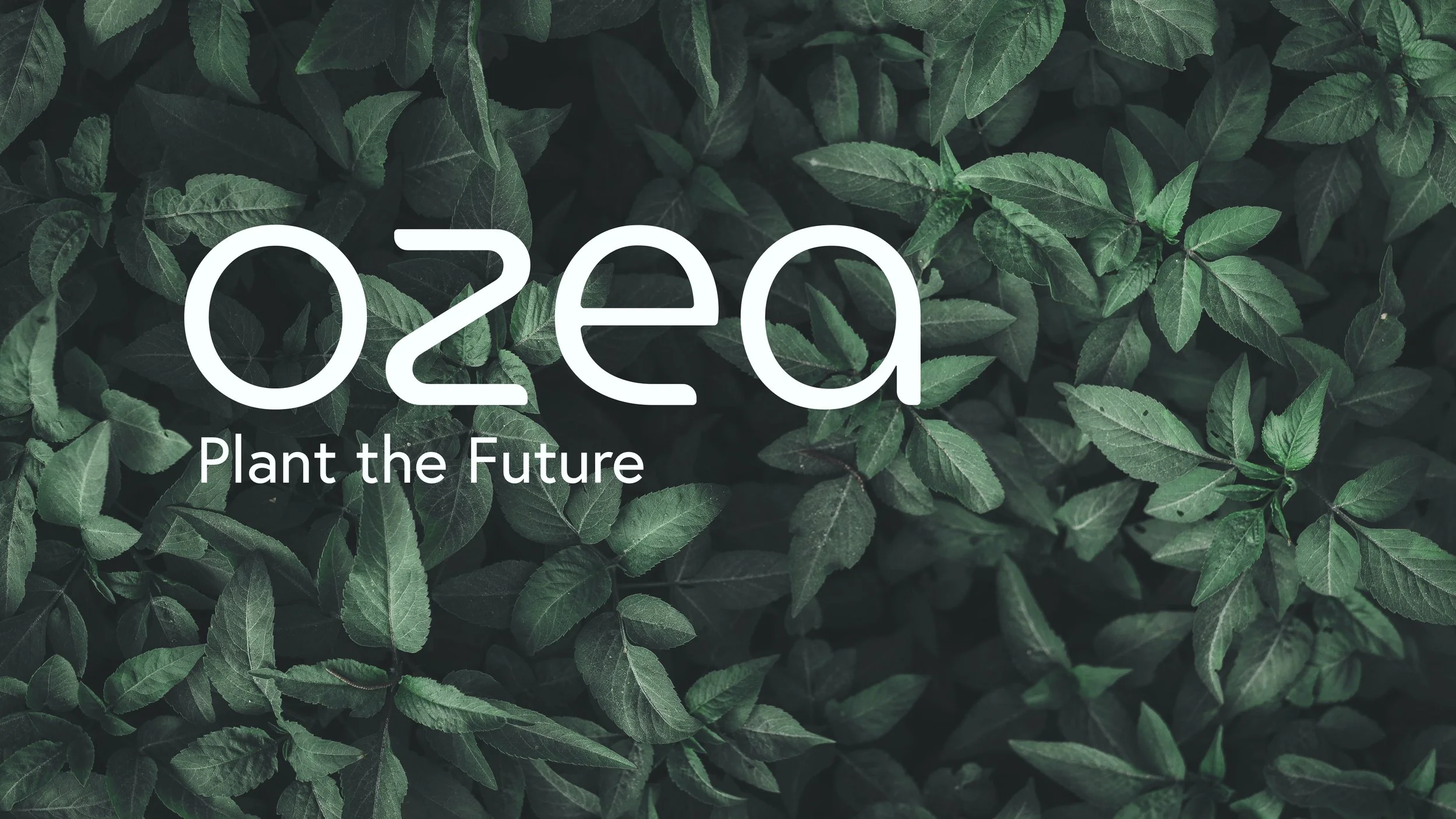
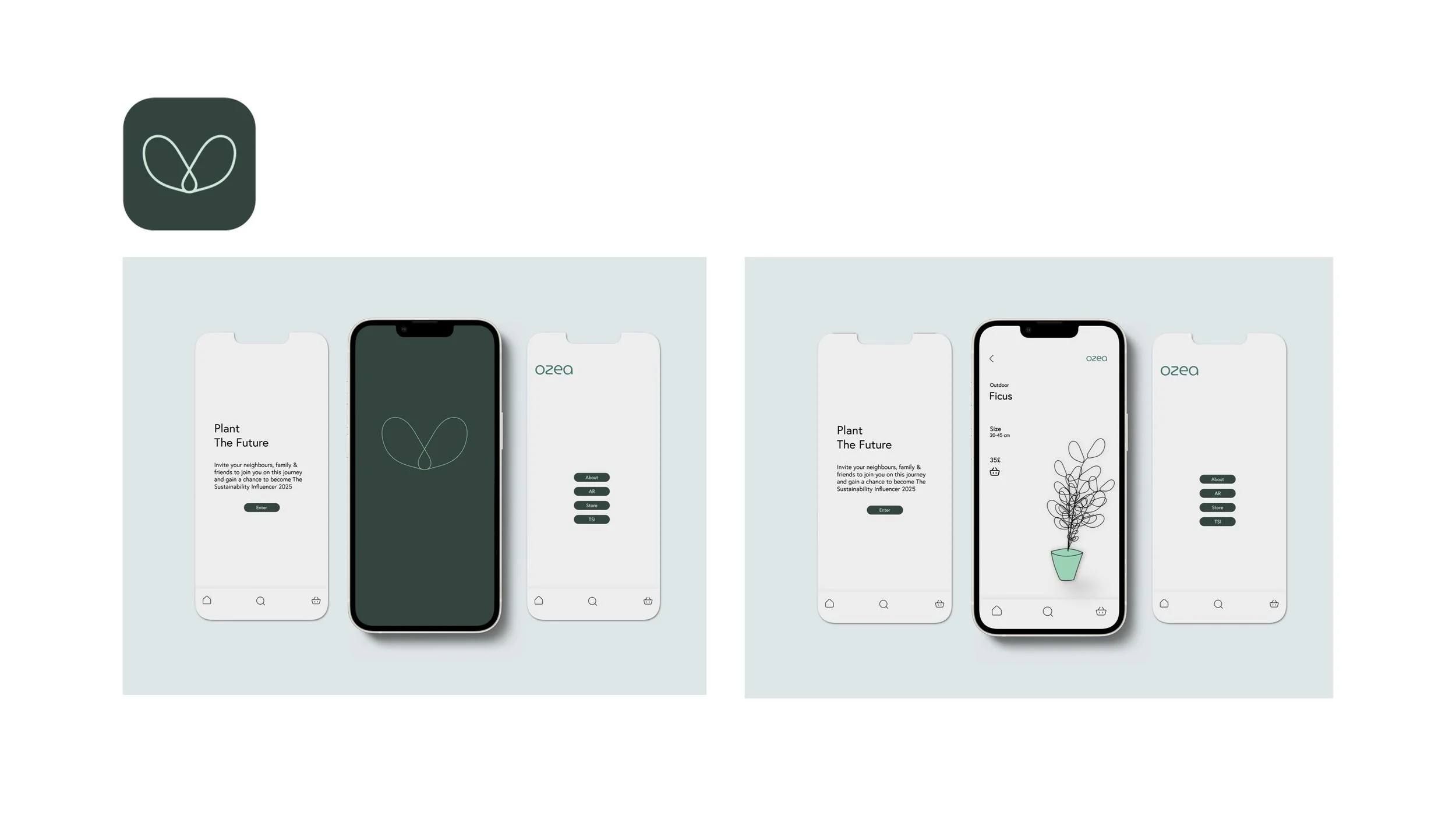
Ozea – Plant the Future Toolkit
This student addressed climate change through a thoughtfully designed physical and digital experience that encourages urban communities to create greener living spaces.. The final outcome demonstrated a strong integration of service design, branding and environmental communication, using research-led design to educate, engage and inspire sustainable behaviour through an approachable and interactive toolkit.
Thinking Through Making
A defining feature of the workshop is its emphasis on rapid analogue prototyping. Rather than delaying physical making until concepts have been fully resolved, participants begin constructing speculative versions of their toolkit using accessible materials such as paper, cardboard and other everyday resources. Sketches, paper models and mock-ups become thinking tools that reveal opportunities, expose weaknesses and encourage iteration.
By deliberately lowering the threshold for making, experimentation becomes accessible to every learner regardless of technical confidence. Ideas are tested through physical interaction, discussion and observation, allowing design decisions to emerge through making rather than prediction.
This iterative methodology reflects Donald Schön's concept of reflection-in-action, where knowledge develops through cycles of designing, testing and refinement (Schön, 1983).
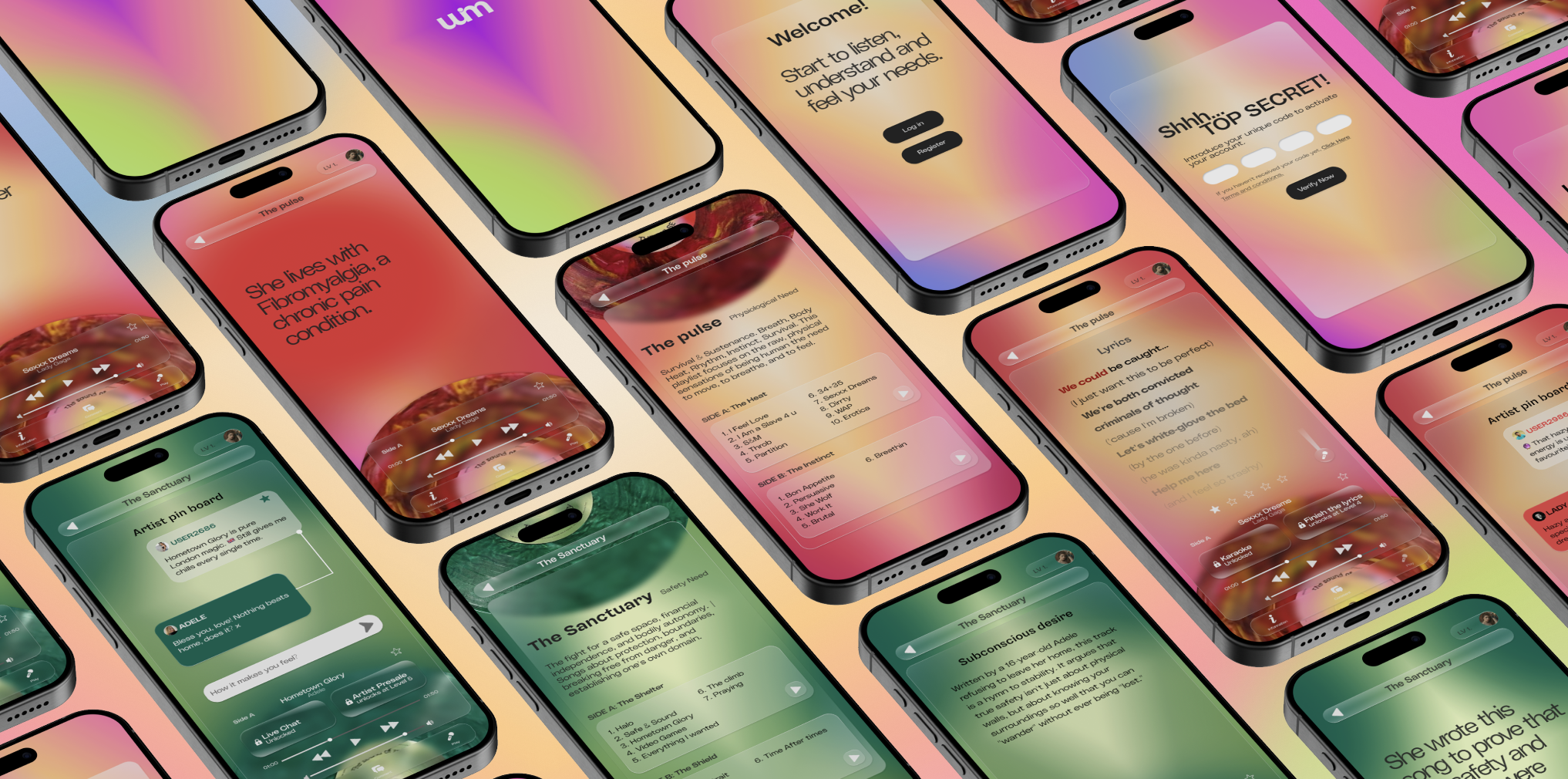
Women in Music: The Sound of Needs – Toolkit
This outcome reimagined music appreciation by combining physical media with a companion digital experience to encourage deeper engagement with female artists through the lens of Maslow's Hierarchy of Needs. The final outcome demonstrated a sophisticated integration of experience design, psychology, branding and interaction design, successfully creating an immersive educational platform that transforms passive music consumption into reflective learning while fostering stronger emotional connections between listeners, artists and their work.
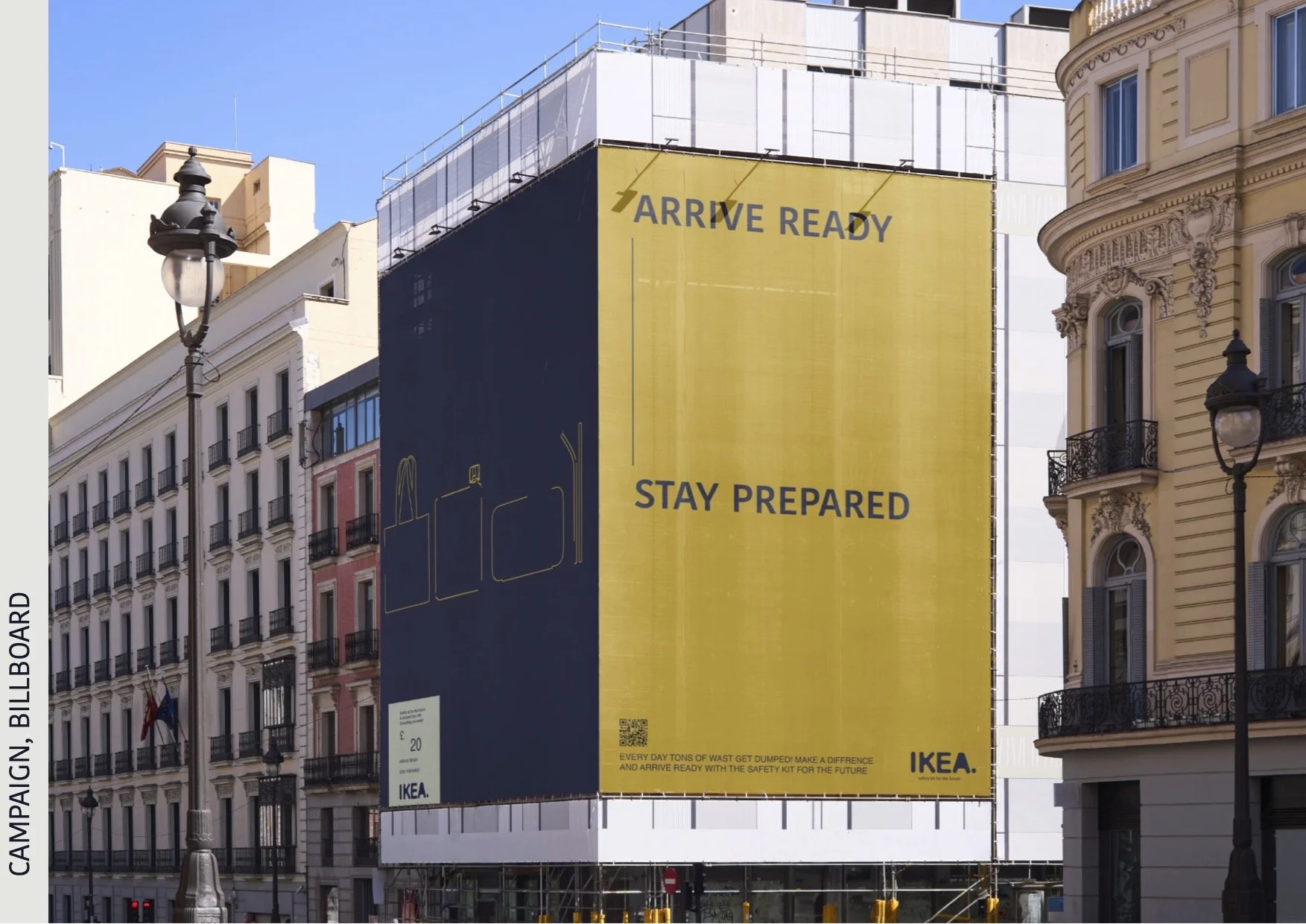
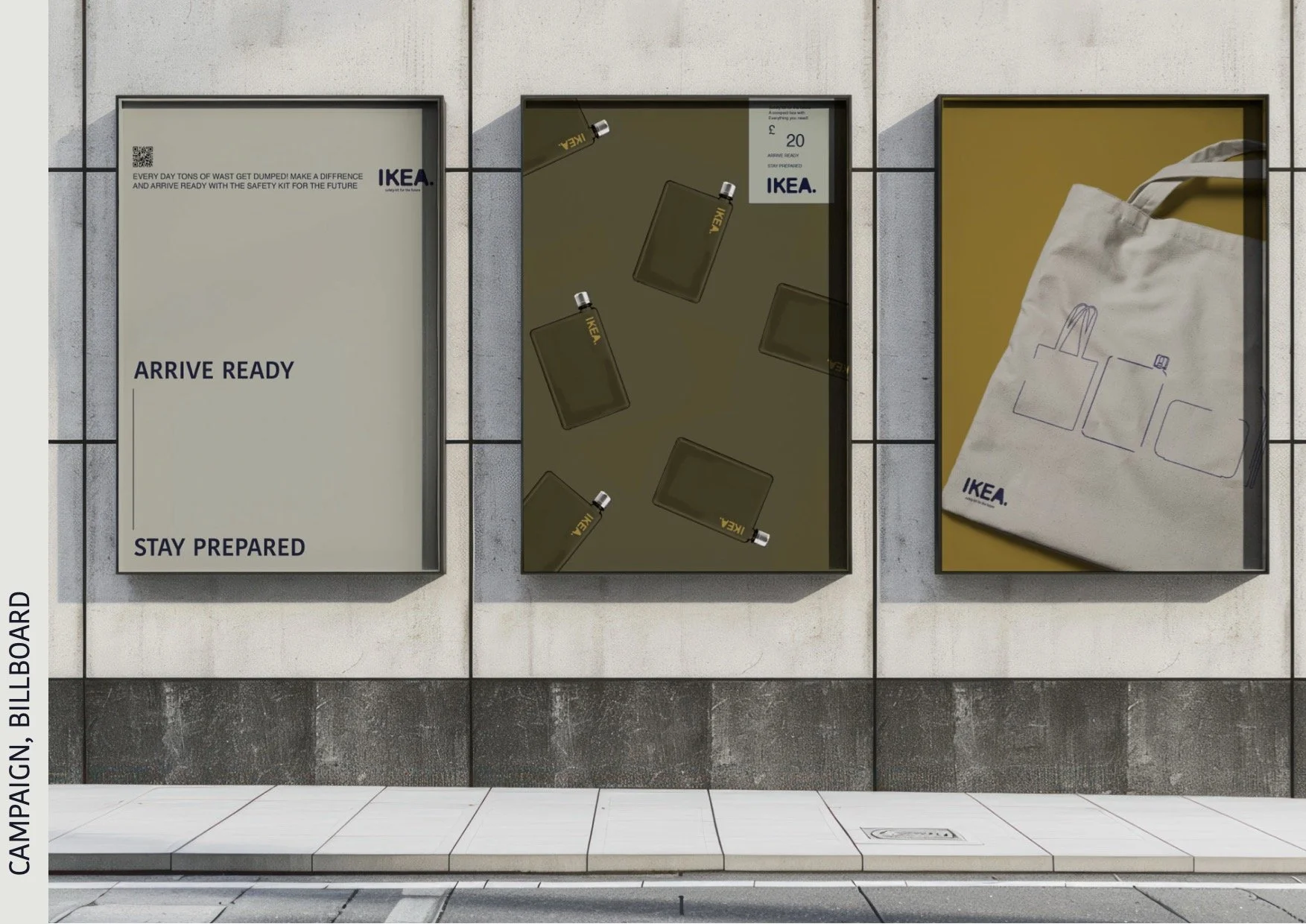
IKEA – Arrive Ready, Stay Prepared Toolkit
A reimagining of IKEA's relationship with a younger, environmentally conscious audience saw this project propose and realise a sustainable product collection that encourages reusable everyday behaviours through considered product and brand design. The final outcome demonstrated a strong understanding of brand strategy, sustainability and consumer experience, successfully combining product design, campaign thinking and visual communication into a cohesive concept that aligned with IKEA's values while addressing contemporary environmental challenges.
Designing for Interaction
Unlike traditional graphic design projects centred on printed or digital outcomes, the Passion Toolkit asks participants to consider how audiences experience information physically. Questions of sequence, interaction, usability and engagement become as important as typography, colour and composition.
Participants develop educational artefacts that encourage discovery through handling, participation and play. This expands graphic design beyond visual presentation, introducing principles associated with experience design, gamification and participatory learning.
The resulting work demonstrates that graphic design increasingly operates across objects, environments and interactions, requiring designers to consider how audiences move through information rather than simply consume it.
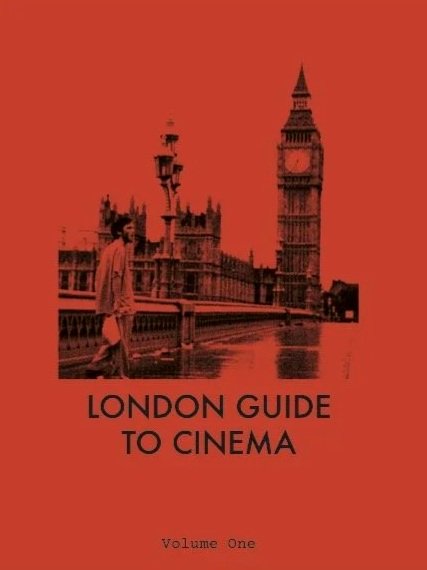
London Guide to Cinema – Toolkit
This project introduced cinema-going as an accessible and rewarding cultural experience through a playful editorial guide designed for young adults seeking affordable ways to engage with film. The final portfolio of work demonstrated a strong understanding of audience-centred information design, successfully combining practical advice, gamified interactions and editorial storytelling to encourage users to explore independent cinemas, expand their film knowledge and build lasting cinema-going habits.
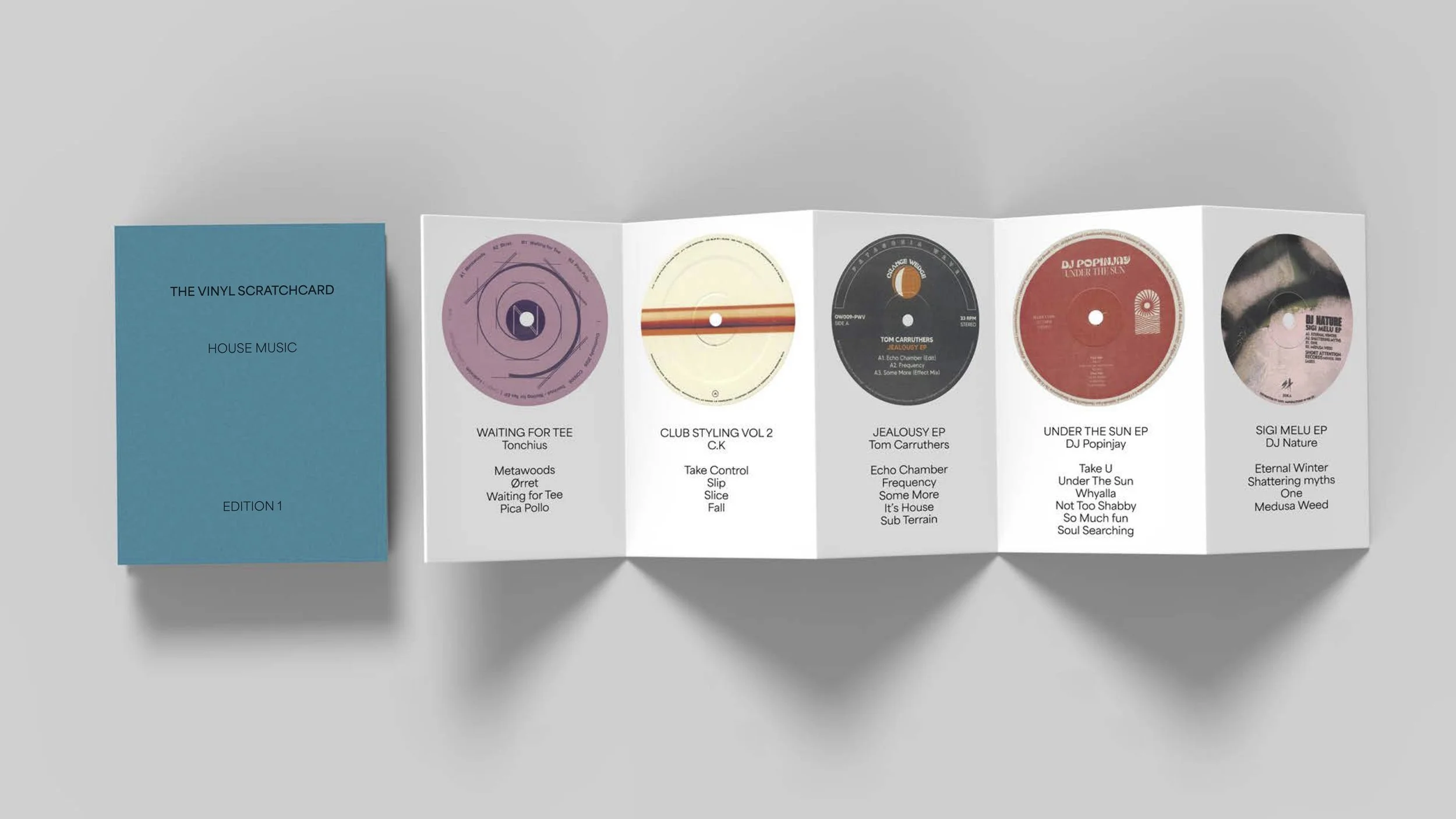
The Vinyl Scratchcard – Toolkit
This student encouraged users to discover music through listening rather than visual judgement by transforming vinyl exploration into an interactive scratchcard experience. The final outcome demonstrated an innovative application of editorial design, tactile interaction and gamification, successfully creating a collectible series that promotes curiosity, deeper musical engagement and a renewed appreciation of physical music culture.
Communicating Process
Reflection forms an integral component of the workshop. Participants document research, experimentation, prototype development and refinement through a structured design presentation that communicates both the final outcome and the thinking behind it. Audience research, visual language, prototyping, feedback, iteration and future development are presented as interconnected stages within a coherent design narrative.
By making process visible, the workshop reinforces professional design practice, where communicating decisions is often as valuable as producing artefacts themselves. Participants develop confidence in articulating research, defending creative choices and presenting iterative development within a structured design framework.
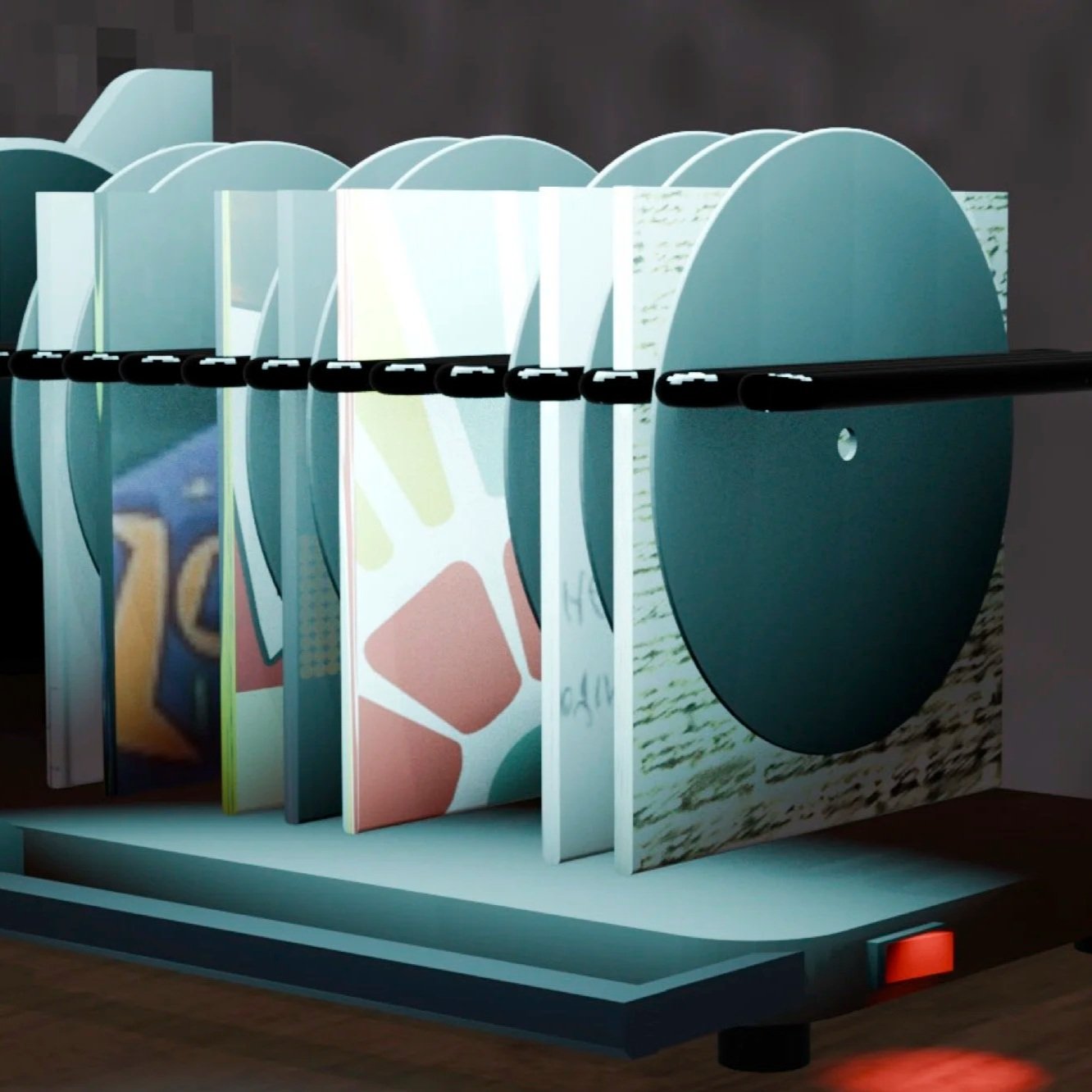
Track 33 Turntable – Toolkit
This project reimagined the vinyl listening experience by combining physical product design with digital technology to encourage users to rediscover neglected records within their collections. The final outcome demonstrated a sophisticated understanding of user-centred design, connected product ecosystems and gamification, successfully integrating analogue listening habits with data-driven insights to promote deeper engagement, musical discovery and more meaningful interaction with physical media.